On the Same Page: Regency Ball and Concert
Learning to walk can be both fun and frustrating for your little one, but there are things you can do to encourage him. Try wrapping a scarf or blanket around your baby’s chest and under his arms, then stabilize him with the blankets as he learns to balance himself with his free hands. For more fabulous activities and ideas, go to www.teachinglittles.com. And, of course, try out some of the books and activities below!
Ages 2-5
Here we are together, together, together! Oh, here we are together in our library. There’s (sing names)… Here we are together in our library!
Hello everybody let’s clap our hands*, clap our hands, clap our hands. Hello everybody let’s clap our hands today! *pat our head, stretch up high, wiggle our fingers, tickle our knees, kick our feet, bounce up high!
(Sing while pointing to each finger on your child’s hand.) Sing, talk, read, write, play! Sing, talk, read write, play! Sing, talk, read, write, play! Sing, talk, read, write, play each day!
Moving to music, dancing, swaying, running, and jumping help young children feel rhythm and begin to understand how their bodies work. Such movements also help them gain muscle control and improve balance. All of this contributes to a child’s gross motor development.
Sing “Walking, Walking” with your child with your child as you walk outside or around the house while modeling how to “Stop!” at the end of the rhyme.
During the course of a walk, a young boy identifies animals of different colors.
Fish swim in the water and birds fly in the air, and some animals walk on the ground, just like you. Jonathan London and Michael Rex invite you to hop, flop, and wiggle in an animal parade that will make you want to jump out of your seat and bounce along, too!
Trying something new is never easy. Like walking, for instance. With useful tips, common pitfalls, and Marla Frazee’s adorable illustrations, this book is perfect for anyone–from a baby to a graduate to a grown-up–who’s about to take a scary first step.
Rhyming text compares babies who, although born in different places and in different circumstances, each have ten little fingers and ten little toes.
Walking, walking,
Walking, walking,
Hop, hop, hop!
Hop, hop, hop!
Running, running, running,
Now let’s stop!
Now let’s stop!
As I went walking to town one day
I saw a ____ along the way!
And what do you think that ____ did say? ____
– Adapted from Macaronisoup.com
The horses are walking*, they’re walking along, walking along, walking along.
The horses are walking they’re walking along. Whoah! Whoah! Whoah!
*Trotting, running, walking
As three duckling brothers cross forest and field to return to their mother, the older ones encourage the youngest by teaching him a game that earns him the name of Little One Step.
Have you and your child looked closely at feet lately? Feet are fabulous! And they are used for so many different things in the animal and creature kingdom! Check out some of these books to find out how.
Ages 2-5
Moving to music, dancing, swaying, running, and jumping help young children feel rhythm and begin to understand how their bodies work. Such movements also help them gain muscle control and improve balance. All of this contributes to a child’s gross motor development.
Make a playlist of favorite songs for you and your child, and encourage your child to develop gross motor skills by dancing, running, and jumping to the music.
Easy-to-read, rhyming text depicts different animals dancing.
A creature demonstrates the many uses of our fingers and toes.
Ring around the rosie,
A pocket full of posies:
“A-tishoo! A-tishoo!”
We all fall down!
The king has sent his daughter
To fetch a pail of water.
“A-tishoo! A-tishoo!”
We all stand up!
– Lambert
Head, shoulders, knees and feet,
knees and feet
Head, shoulders, knees and feet,
knees and feet
And eyes and, ears and, mouth and teeth!
Backwards-
Feet, knees and shoulders, head,
shoulders, head
Feet, knees and shoulders, head,
shoulders, head
And teen, mouth, ears and eyes!
– Adapted from childhood
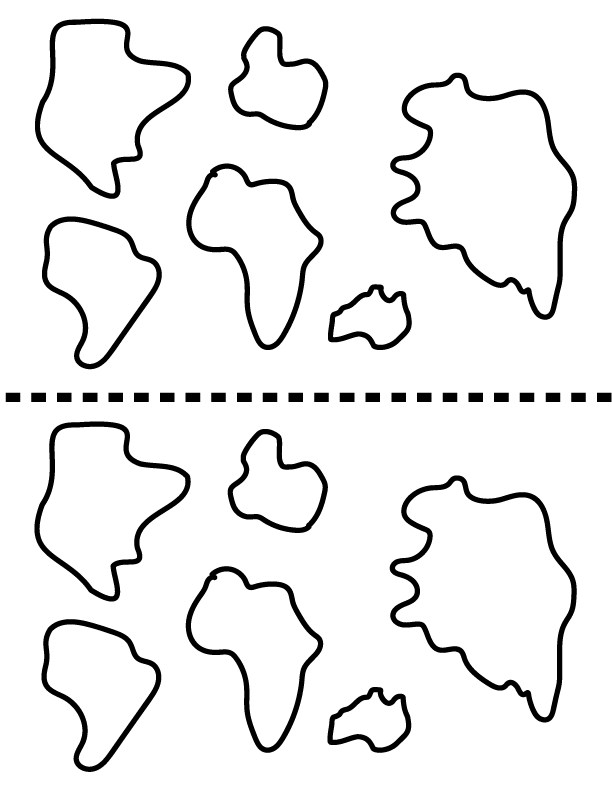
Print out this coloring page!
Rhyming text, accompanied by labeled illustrations that identify parts of the body, encourages readers to wiggle and twist, stomp and zig-zag, and hug and shrug.
What if you had animal feet? will teach kids about the amazing variety of feet in the animal kingdom and their specialty functions! From cheetahs’ fast feet to mountain goats’ nimble climbing hooves, to flies’ sticky feet!
Our first teen craft take n’ go kit for March will be keyring dream catchers, available starting Thursday, March 4th.