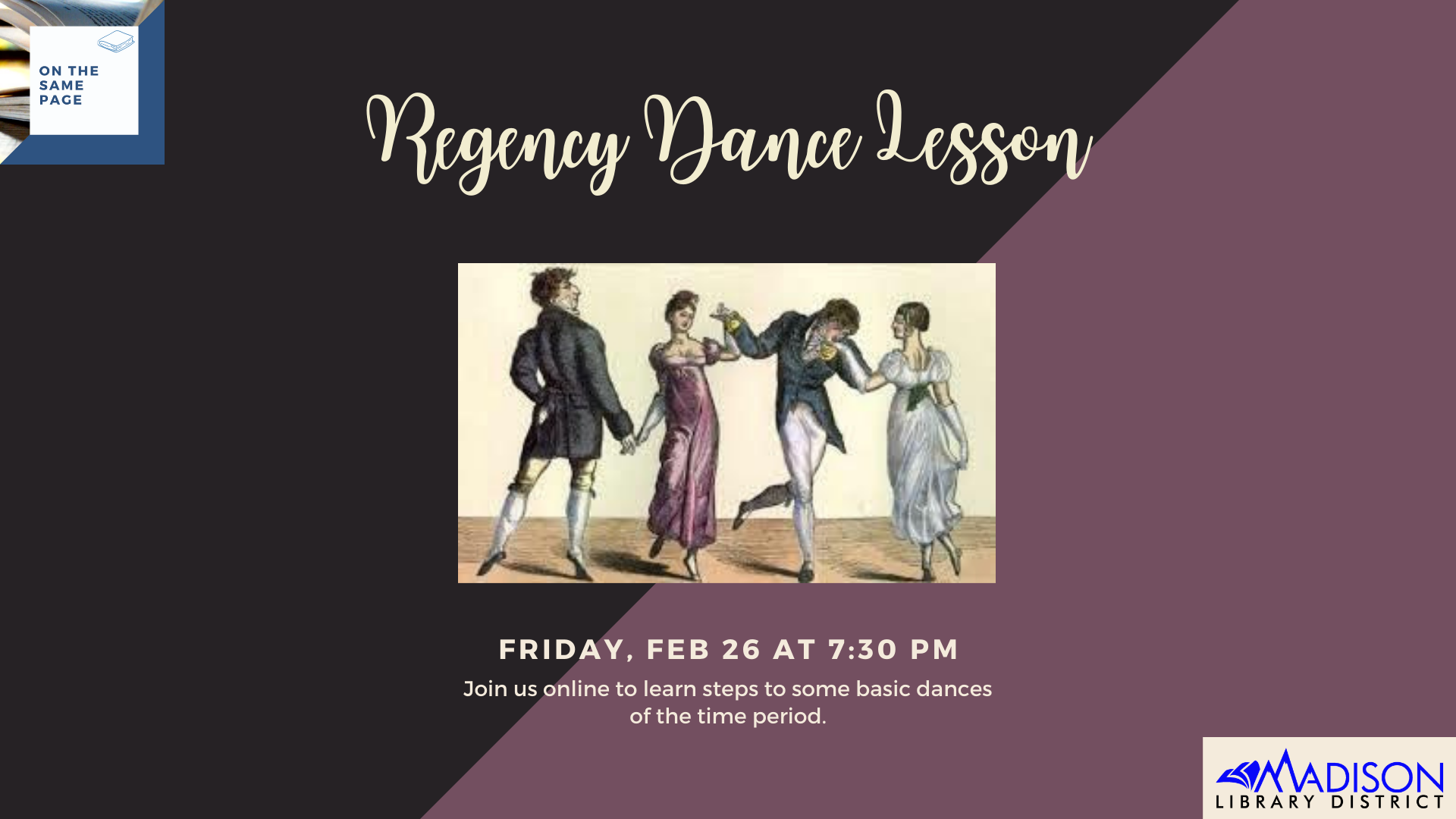

On the Same Page: Regency Dance Lesson
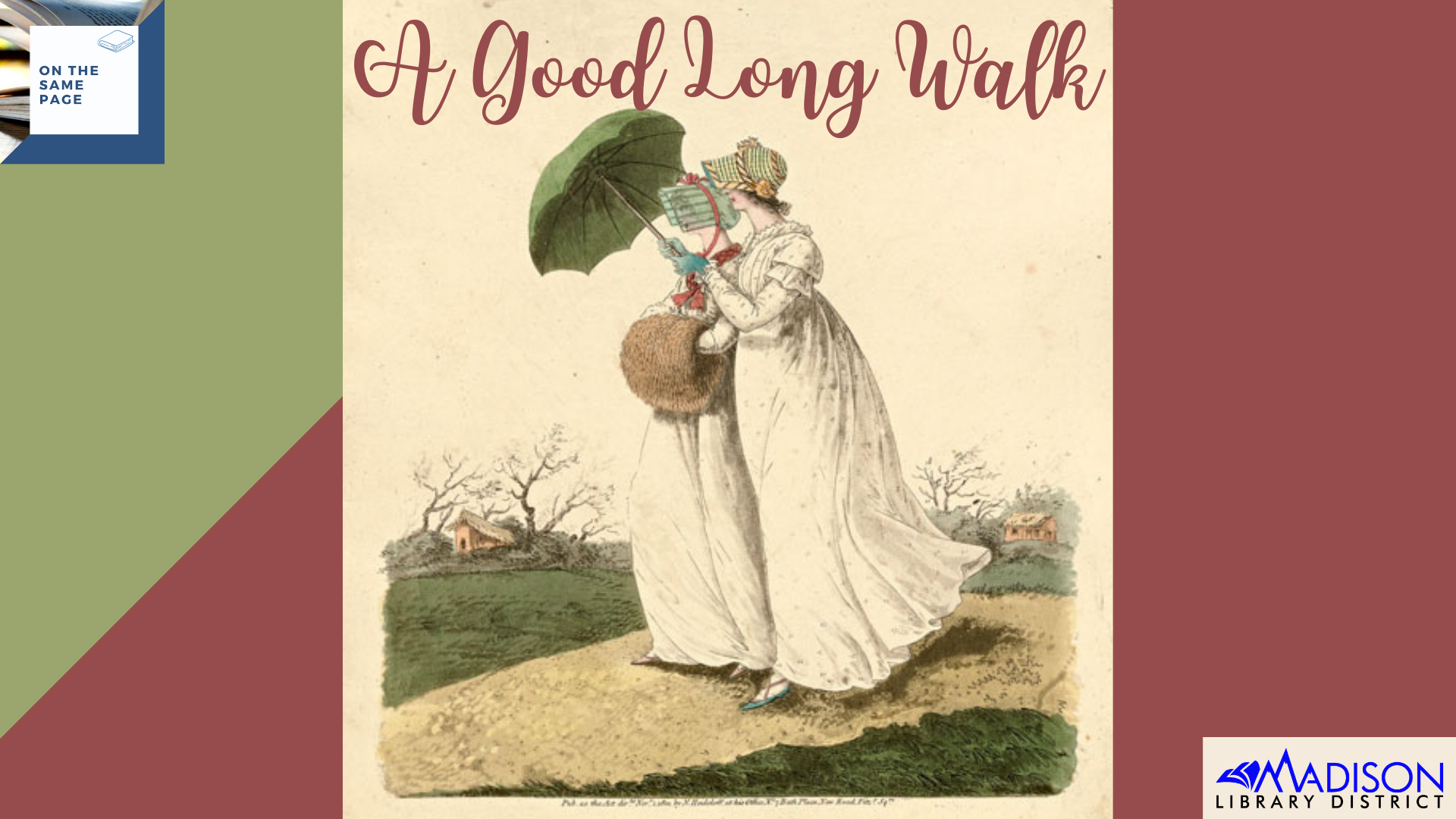
As all Austen readers know, her characters are champion walkers. Whatever the novel, the heroine will at some point go on a good, long walk. Persuasion is no exception as all the younger folk at Uppercross head over the hills to stretch their legs. We’re going to take the outing a bit further and take the major journeys of the novel on foot as well. You can decide how much you’re willing to take on and which direction you’d like to go. Feel like some time by the sea? It’s 17 miles to Lyme Regis. Spend your month there if you’d like. Do you prefer the society of Bath? That’s a little longer journey at 47 miles. Enjoy the concerts and parties! If you’re really just wanting to walk and then walk some more, you could walk to Lyme Regis and from there to Bath for a total of 77 miles. Don’t worry, you can send for a carriage at any time.
It doesn’t matter which destination you select. Anyone turning their log in before noon on Monday, February 22, will be entered into a drawing for a volume containing all of Jane Austen’s works.
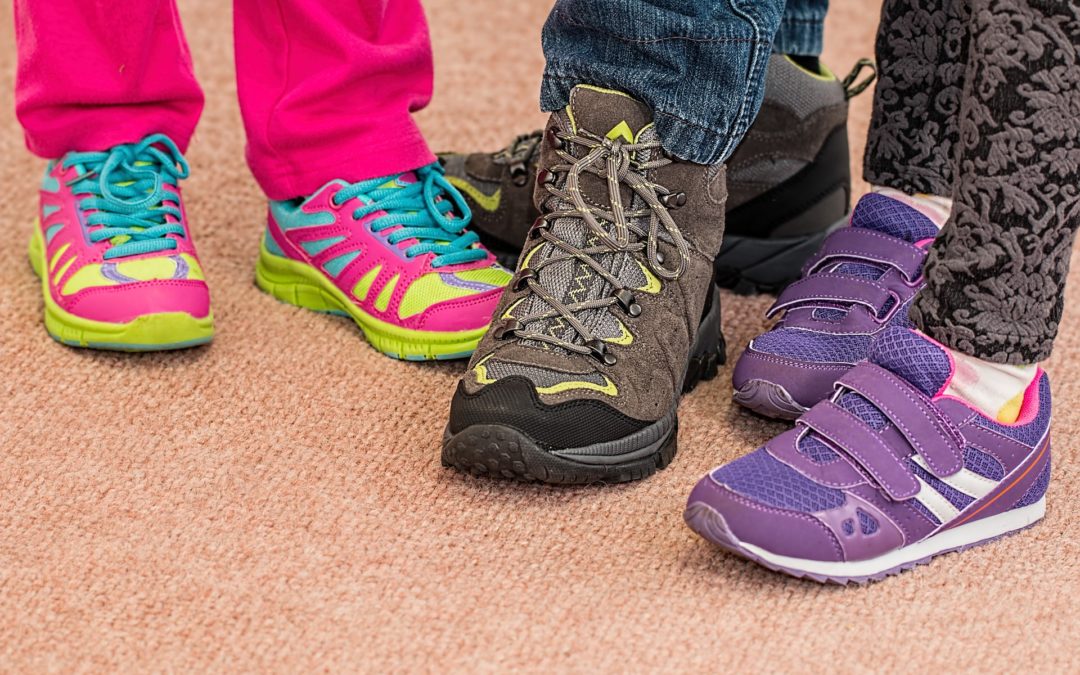
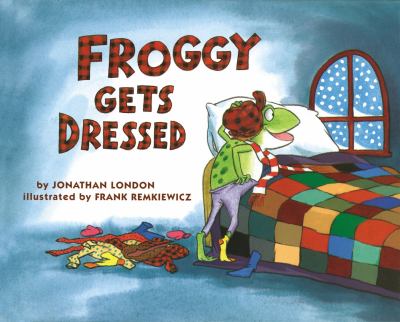
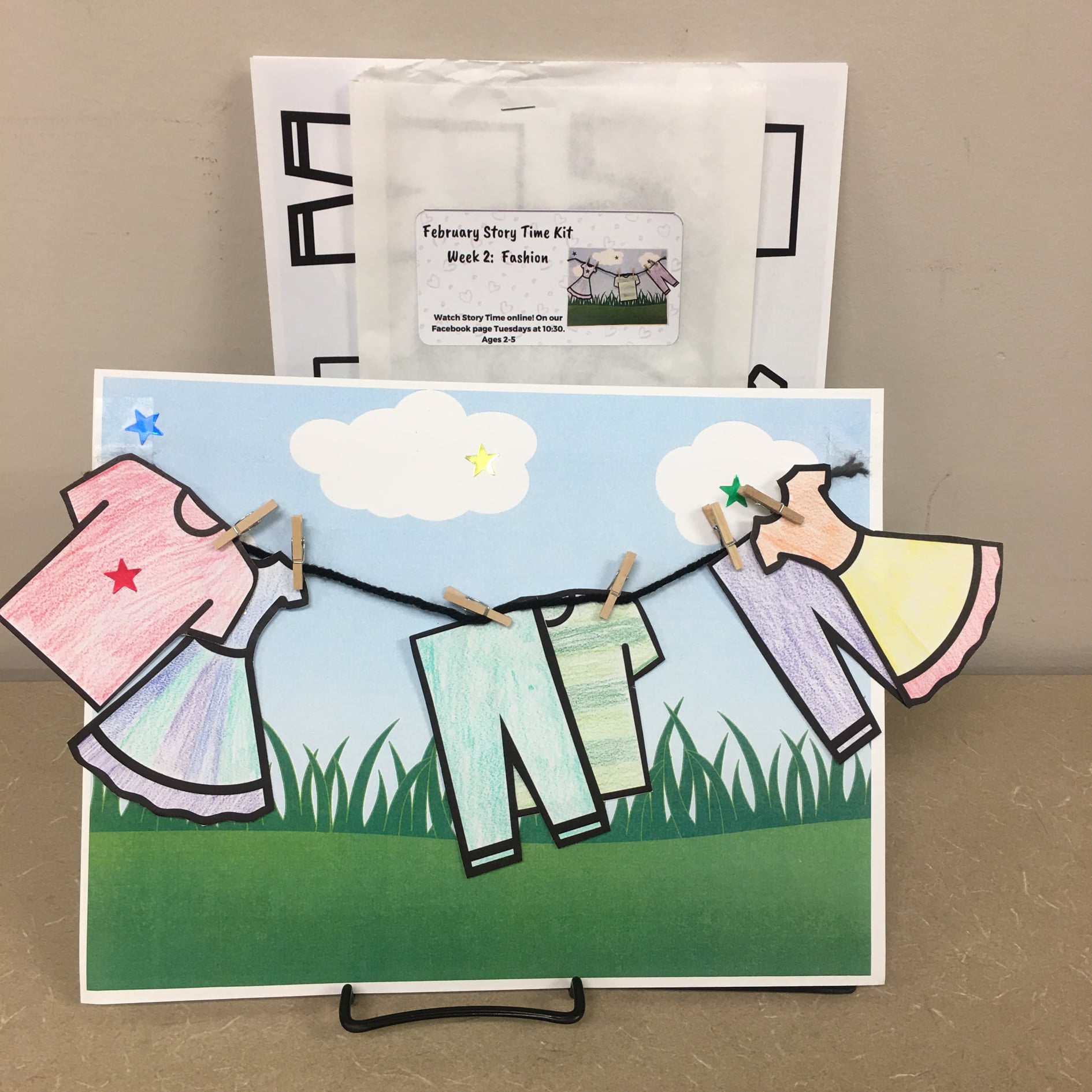
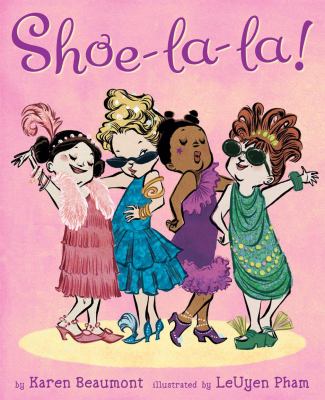
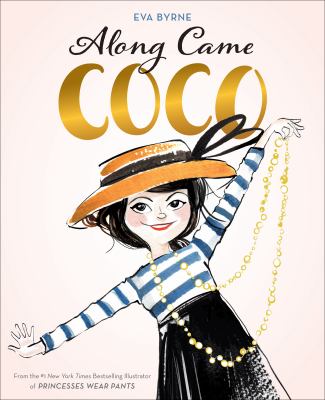
Lights! Camera! It’s fashion! This week we learned that “F” is for fashion, and “fashion” can help you express how you are feeling, where you want to go, and what is good for the weather outside.
Ages 2-5
“Dress-up play allows anyone to dream, hope, and use their imagination. It gives kids permission to pretend to be someone or something different and extraordinary that reflects their personality and current interests and promotes more independence by allowing kids to practice self-care skills.”
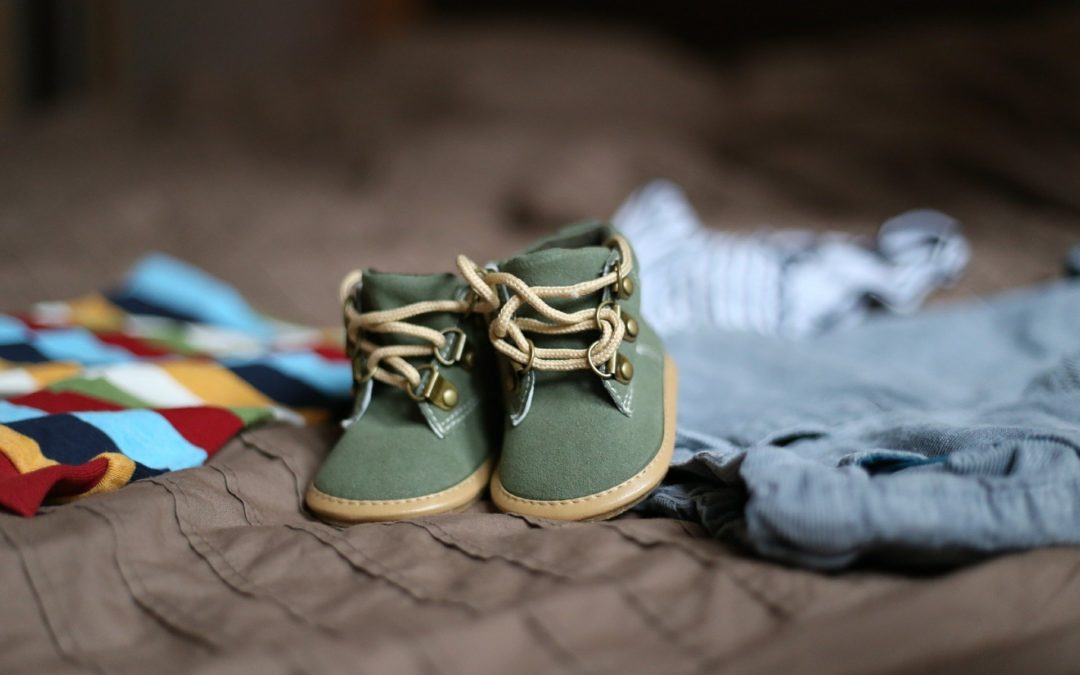
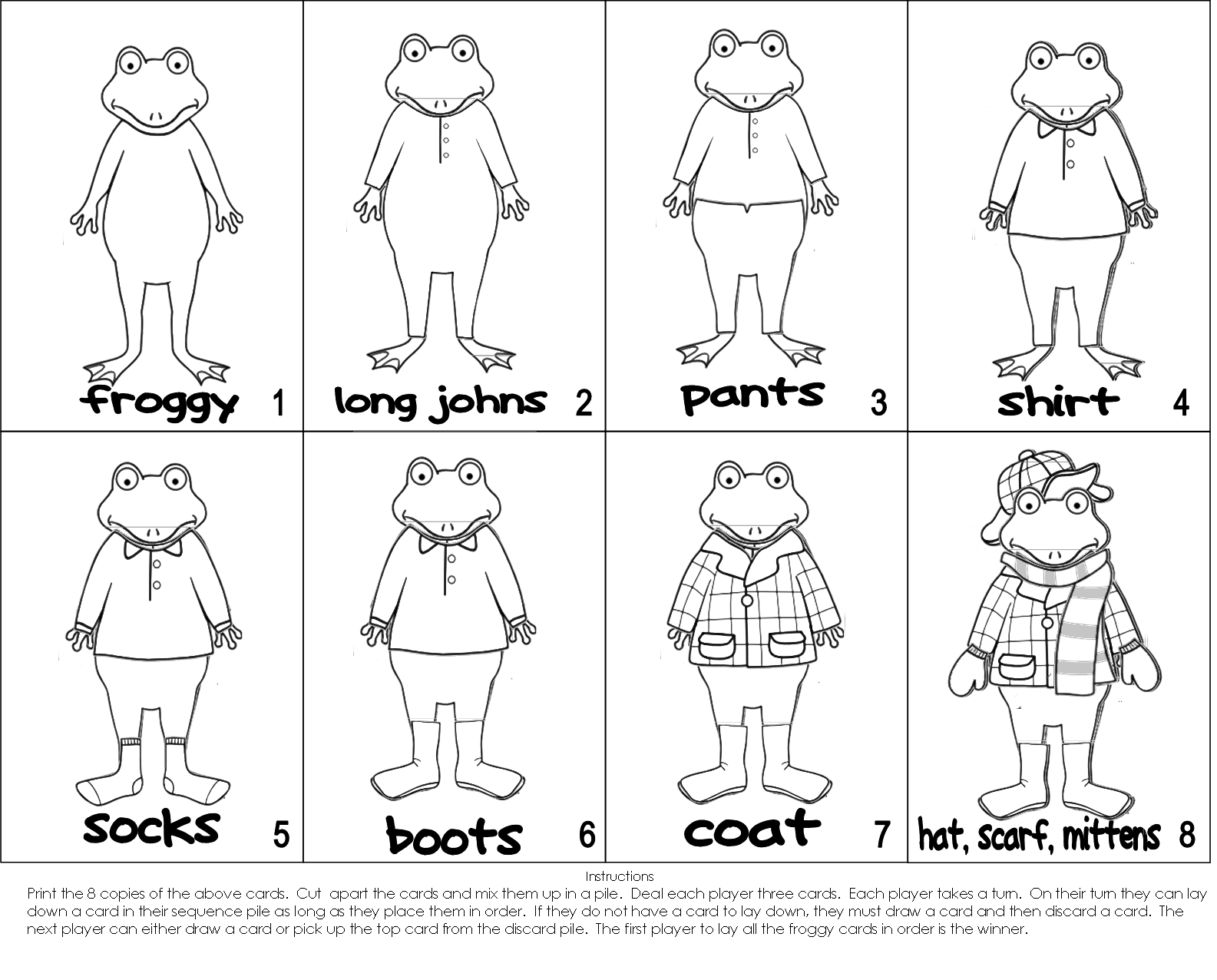
Gather a bunch of clothes and have a dress-up fashion show. Talk about what each clothing item is used for, what weather would be good in which to wear it, and where you might go in each outfit. You can also take some old clothes and “remake” them into something new!
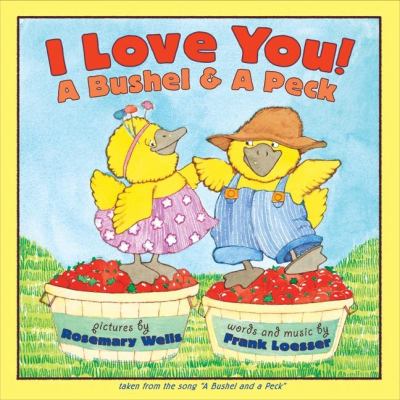
Love grows between two ducklings as they bill and coo around the farmyard.
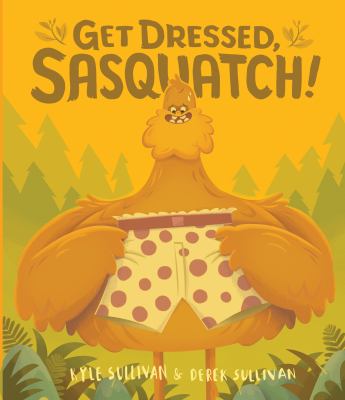
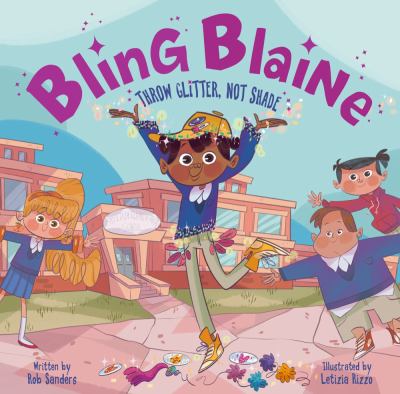
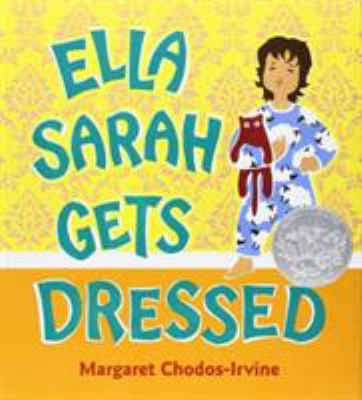
Despite the advice of others in her family, Ellah Sarah persists in wearing the striking and unusual outfit of her own choosing.
(Tune: Jolly Good Fellow)
I’m going to take a sweater, a sweater, a sweater
I’m going to take a sweater when I go out today
When I go out today, when I go out today
I’m going to take a sweater when I go out today
(Additional: Umbrella, hat, raincoat, etc.)
– Storytimekatie.com
Print out this coloring page activity!
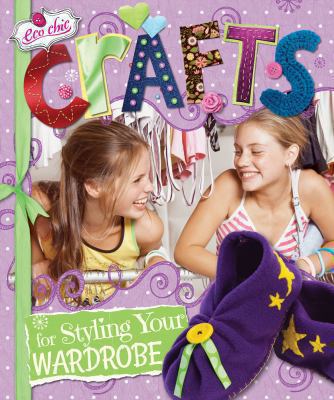
A variety of crafts for kids to make their clothes their own. Includes upcycling old clothes and basic sewing stitches.
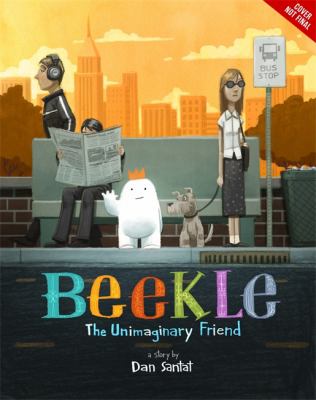
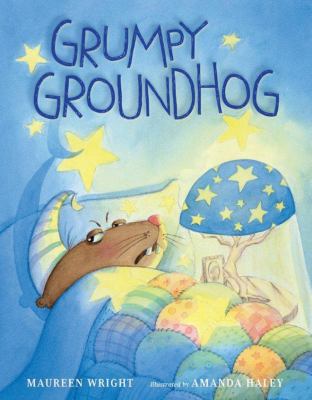
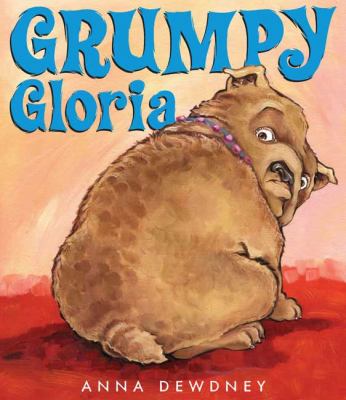
Family members try various ways to cheer up their grouchy bulldog.
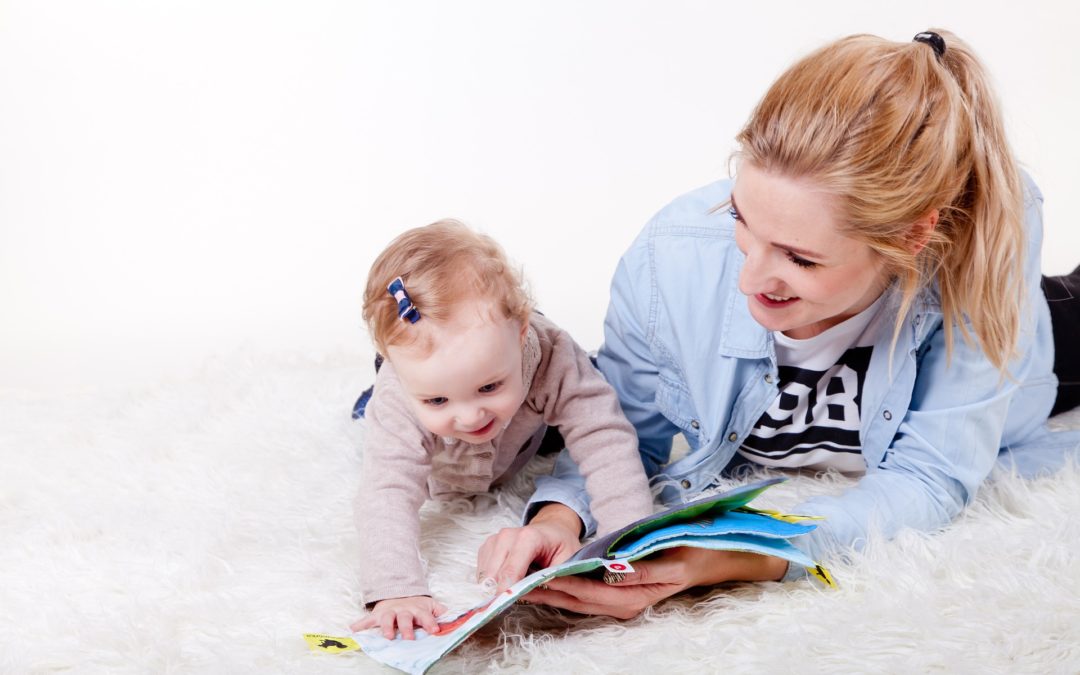
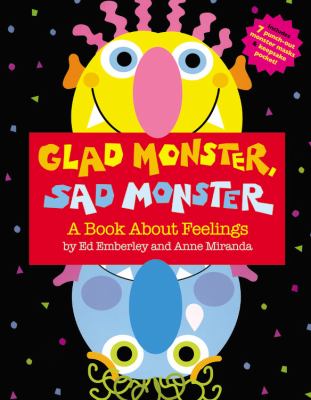
Are you happy? Sad? Glad? Or mad? From the moment they are born, babies and toddlers love looking at faces to see how you are feeling. It helps them to organize their own thoughts and emotions. So have fun with these activities and books with your child as you explore different emotions!
Ages 2-5
Here we are together, together, together! Oh, here we are together in our library. There’s (sing names)… Here we are together in our library!
Hello everybody let’s clap our hands*, clap our hands, clap our hands. Hello everybody let’s clap our hands today! *pat our head, stretch up high, wiggle our fingers, tickle our knees, kick our feet, bounce up high!
(Sing while pointing to each finger on your child’s hand.) Sing, talk, read, write, play! Sing, talk, read write, play! Sing, talk, read, write, play! Sing, talk, read, write, play each day!
Teaching your toddler how to express their emotions will take time and patience. The most effective way to teach toddlers how to express their feelings will be in the natural setting of your day-to-day activities. Learn to incorporate feeling words into your vocabulary. Frequently label your child’s feelings. Read books about feelings. Watch shows about emotions. Before you know it, your children will have developed skills to effectively express how they feel!
You can a play a “Guess my Feeling” game with your toddler. You can both take turns making facial expressions and you each have to guess what feeling is being shown. This helps on two levels. One, it helps your children match up your facial expressions to your various emotions. Two, it helps them match up their own facial expressions to an emotion as well. Play the game near a mirror, where your children can visually see their various expressions.
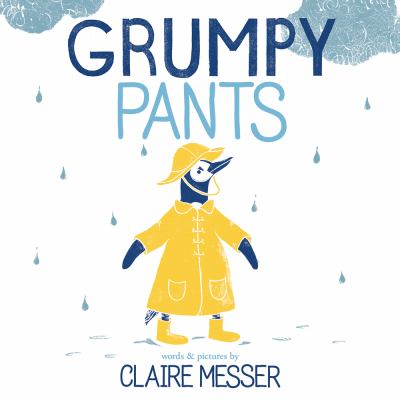
Have you ever had a grumpy day and not known why? Penguin is having a grumpy day like that. No matter what he does, he just can’t shake it! Sometimes the only thing left to do is wash the grumpy day away and start over.
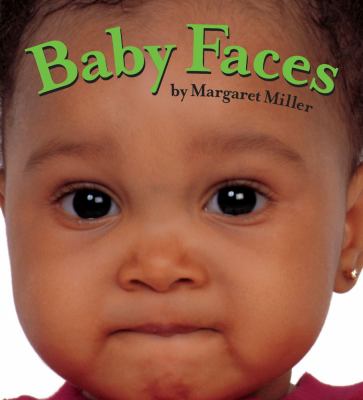
Presents color photographs of the various facial expressions of infants.
Clever animals exemplify a wide range of emotions in this hilarious story about different feelings.
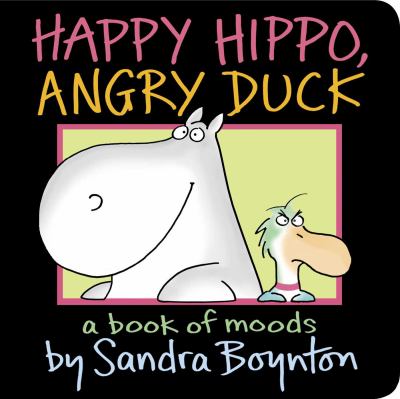
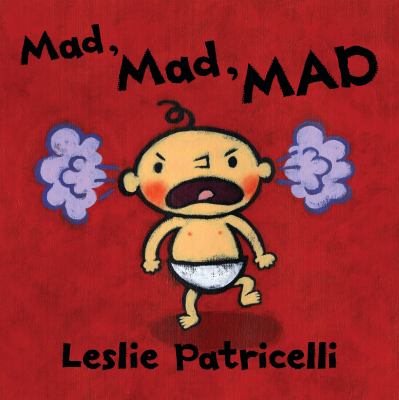
Baby is MAD. Very, very mad. What will make the mad go away?
If you are happy, and you know it clap your hands
If you are happy, and you know it, then your face will surely show it
If you are happy, and you know it clap your hands.
Now replace happy with different emotions:
Mad – cross your arms.
Frustrated – stomp your feet.
Excited – jump up and down.
Sad – make a frown
Scared – hide your face.
– Notimeforflashcards.com
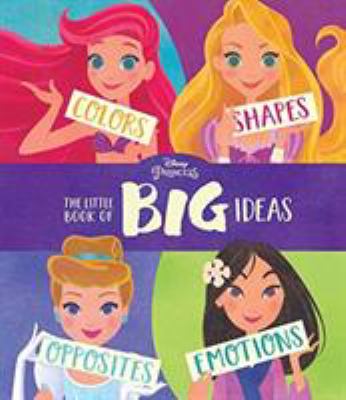
Four concept-based story retellings in one wonderfully chunky package!
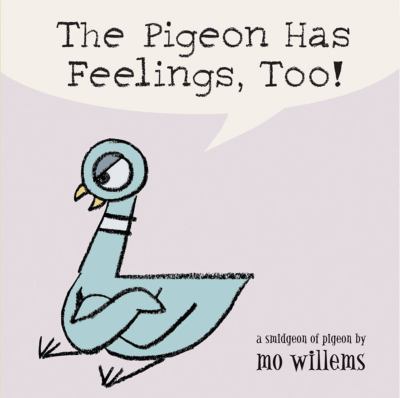
Do pigeons have feelings? Is a hot dog yummy?
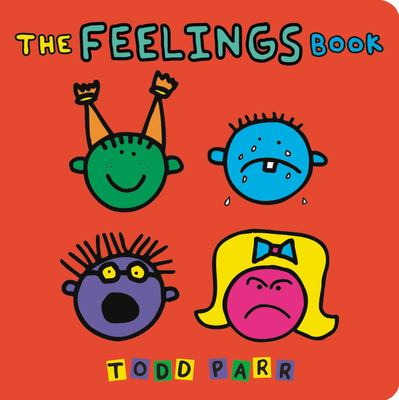
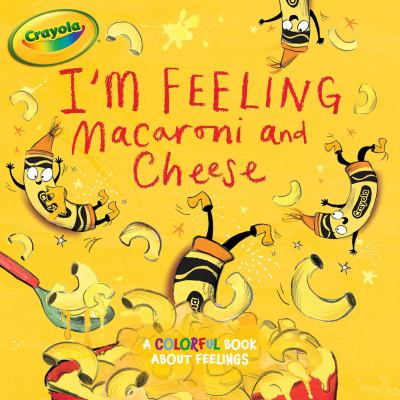
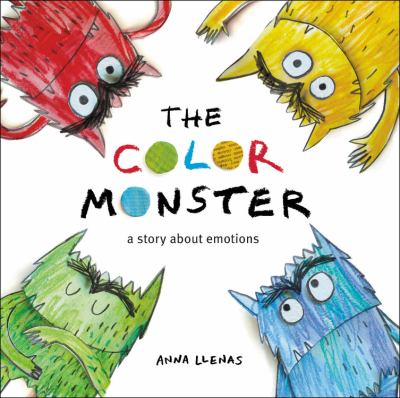
This week in Storytime, we learned that “F” is for feelings. Sometimes children have a difficult time expressing or understanding their feelings. When you help them attach a color to a feeling, it helps them understand and how to deal with their emotions. Thankfully there are a lot children’s books to help. Try some of the titles below, or go to the online catalog and do a subject search for, “emotions juvenile fiction,” where you will find many, many stories about feelings.
Ages 2-5
Helping your child put words to feelings develops vocabulary in a meaningful way. You can talk not only about your child’s feelings, but also about yours as well. Children can understand the words long before they can say them.
Ask your children to listen for words related to feelings as you read “Grumpy Gloria” by Anna Dewdney or other books with words that pertain to feelings. Then talk about how those feelings might be translated into a color.
Love grows between two ducklings as they bill and coo around the farmyard.
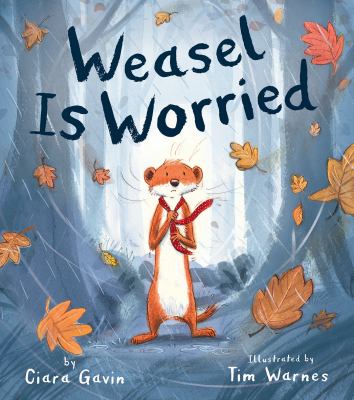
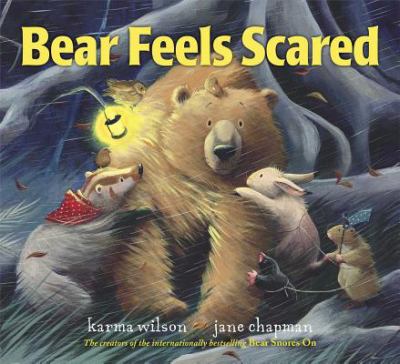
When Weasel is caught in a storm, he builds a fortress to hide in. But then he meets Mole, who loves to play in the wind and splash in the rain. Wait to see if Weasel learns to overcome his fears and find joy, whatever the weather.
(to tune of “Old MacDonald had a farm”)
Old MacDonald felt so glad (Happy)
HA-HA-HA-HA-HA
And when he’s glad we sign it like this:
Happy Happy Happy Happy Happy
With a Happy Happy here and a Happy Happy there
Here a Happy, there a Happy everywhere a Happy Happy
Old MacDonald felt so glad.
Happy Happy
Repeat this, substituting the following emotions and signs:
Grumpy = Grumpy
Sad = Sad
Silly = Silly
– Jeninthelibrary.com
Print out this coloring page activity!
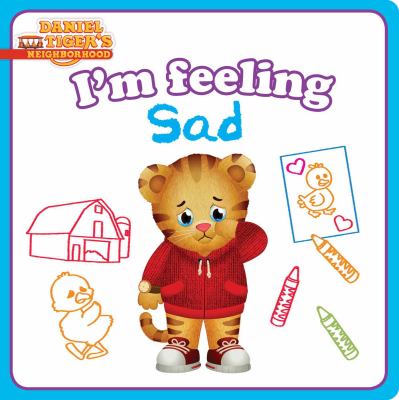
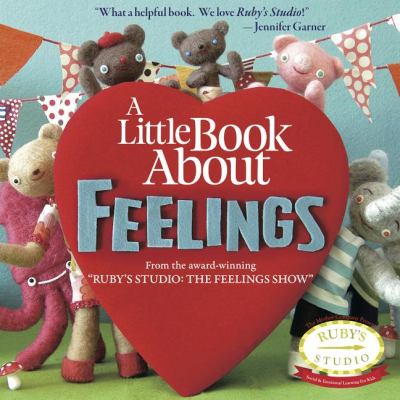
From the award-winning Ruby’s Studio: the Feelings Show. Learn about feelings and how to express them.
Family members try various ways to cheer up their grouchy bulldog.
Today we learned about pandas with Peter Panda! Check out our books, songs, and activities below.
Ages 2-5
Be sure to share factual books with your young children. Follow their interests, whether in a particular animal, in how things work, in trains, or in anything else that piques their curiosity. The information in nonfiction books introduces new vocabulary words, and we learn right along with our children. Supporting their curiosity goes a long way in encouraging a love of learning. Many children who are less interested in stories are very interested in particular topics- trains, dinosaurs, various animals, how things work, and so forth.
Check out a variety of junior non-fiction books on different topics. Place them in front of your child to see what he is interested in. Then read the book together, look at the pictures, and talk about the new things you learned.
A new reader about cuddly, adorable pandas: what do they eat? What are their habitats like? What does it mean when we say pandas are an endangered species?
Print out this coloring page!
Looks at the eight panda pairs that were born at China’s Wolong Giant Panda Breeding and Research Center in 2005, examining how they live, grow, and play and the steps that are being taken to prepare them for their release into the wild.
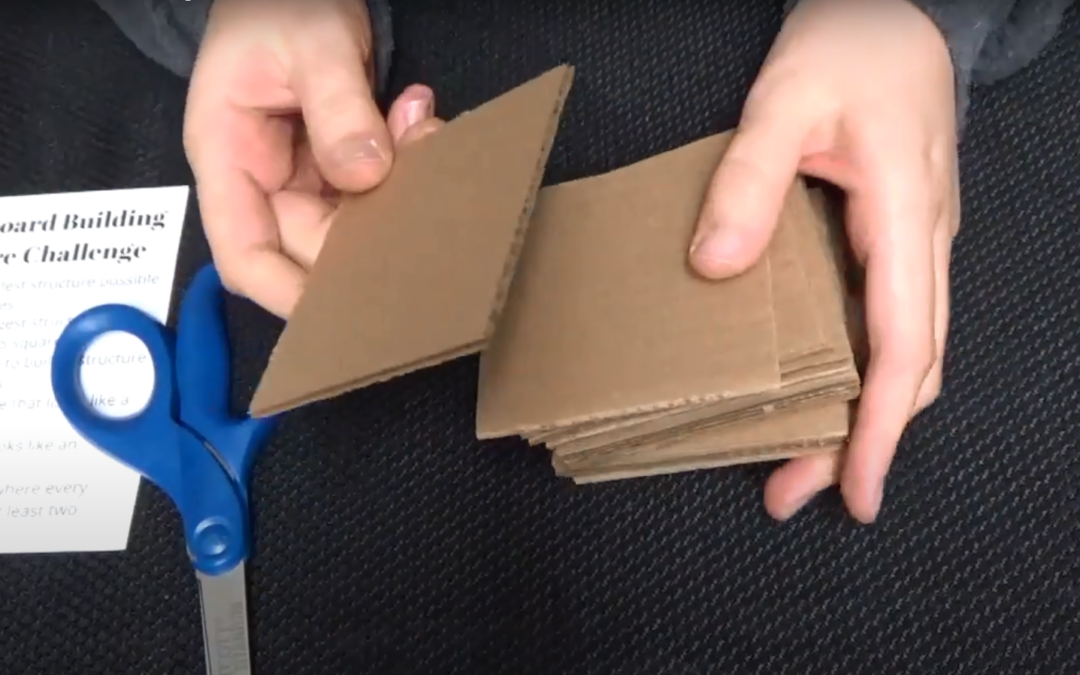
Check out our February kid and tween STEAM Take N’ Go kits below. Each will be available through curbside pickup. Instructions will be available on our website and our YouTube channel.
Cardboard Construction craft – available starting February 9th
Make towers with these simple cardboard building pieces.
STEAM magic craft – available starting February 23rd
Are these experiments science or magic? Try them for yourself!
Enjoy these food-themed books, songs, and activities!
Ages 2-5
Here we are together, together, together! Oh, here we are together in our library. There’s (sing names)… Here we are together in our library!
Hello everybody let’s clap our hands*, clap our hands, clap our hands. Hello everybody let’s clap our hands today! *pat our head, stretch up high, wiggle our fingers, tickle our knees, kick our feet, bounce up high!
(Sing while pointing to each finger on your child’s hand.) Sing, talk, read, write, play! Sing, talk, read write, play! Sing, talk, read, write, play! Sing, talk, read, write, play each day!
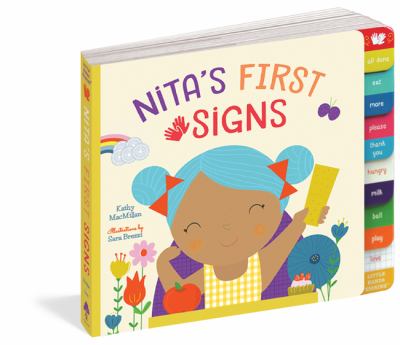
Teaching and practicing baby sign language can be fun and give you and your child an opportunity to bond. Limited research suggests that baby sign language might give a typically developing child a way to communicate several months earlier than those who only use vocal communication.
Read “The Very Hungry Caterpillar” or another book about fruit with baby. Point out the various kinds of fruit and model the ASL sign for baby. Then do the Yummy Fruit Salad rhyme (below) with them.
Follows the progress of a very hungry caterpillar as he eats his way through a varied and very large quantity of food, until, full at last, he forms a coccoon around himself and goes to sleep.
Look for the colorful foods in this guessing-game board book featuring The Very Hungry Caterpillar!
A great introduction to books through well-known nursery rhymes and interactive text.
If you can pat a cake, why not a kiwi or a peach? How about a fuzzy caterpillar crawling on your knee? Join in as this well-known rhyme is expanded into a tactile exploration of a toddler’s world.
(Melody of “Baa, baa Black Sheep”)
Yum, yum fruit salad, (Rub belly.)
Can I have some more? (Use sign language for “more.”)
Apples, (Use sign language for “apple.”)
Bananas, (Use sign language for “banana.”)
And strawberries, galore! (Use sign language for “strawberry.”)
Throw it in a bowl, (Put arms in a circle in front of body.)
Mix it up good, (Spin around in place.)
Give some to your friends, (Use sign language for “friend .”)
Then eat it all up! (Use sign language for “eat .”)
Yum, yum fruit salad, (Rub belly.)
Can I have some more? (Use sign language for “more.”)
Apples, (Use sign language for “apple.”)
Bananas, (Use sign language for “banana.”)
And strawberries, galore! (Use sign language for “strawberry.”)
– Adapted from Artsy Toddler Storytimes by Carol Garnett Hopkins
– Poetryfoundation.org
Five little apples
Hung in a tree
The farmer wasn’t looking.
So guess who came to eat?
A caterpillar! Munch munch munch!
Four little apples
Hung in a tree
The farmer wasn’t looking.
So guess who came to eat?
A horse! Munch munch munch!
Three little apples
Hung in a tree
The farmer wasn’t looking.
So guess who came to eat?
A pig! Munch munch munch!
Two little apples
Hung in a tree
The farmer wasn’t looking.
So guess who came to eat?
A bird! Munch munch munch!
One little apple
Hung in a tree
The farmer wasn’t looking.
So guess who came to eat?
A scarecrow! Munch munch munch!
Now the tree is bare
There are no more apples there
But when next fall comes around
Guess who’ll be there!
The caterpillar
The horse
The pig
The bird
And the scarecrow!
– Storytimekatie.com