Upcoming March Teen Craft: Keyring Dream Catcher
Our first teen craft take n’ go kit for March will be keyring dream catchers, available starting Thursday, March 4th.
“Children love books that reaffirm your love for them. Especially as they grow older and learn to deal with their emotions, it’s important for them to know that you love them, no matter how much they may sometimes misbehave.” – yogibrarian.wordpress.com
Ages 2-5
Here we are together, together, together! Oh, here we are together in our library. There’s (sing names)… Here we are together in our library!
Hello everybody let’s clap our hands*, clap our hands, clap our hands. Hello everybody let’s clap our hands today! *pat our head, stretch up high, wiggle our fingers, tickle our knees, kick our feet, bounce up high!
(Sing while pointing to each finger on your child’s hand.) Sing, talk, read, write, play! Sing, talk, read write, play! Sing, talk, read, write, play! Sing, talk, read, write, play each day!
“Playing with scarves is a simple way to have fun with your little one. It’s also a great way to enhance their development. From building positive sensory-motor skills by feeling the silky texture of a scarf to developing fine motor skills while playing catch, there are endless ways to make use of this common household item. Plus, it’s great one-on-one time with you.”
Find a scarf at home. You can purchase these or make them yourself from lightweight fabric. Then do some of the rhymes and songs listed below with your child. Or visit this website for some more ideas.
In this picture book, illustrated by the #1 New York Times bestselling artist of A Day in the Life of Marlon Bundo, families of different shapes, colors, and sizes must cross deserts, navigate rough seasons, and climb mountains–all to find their miracle babies.
Parents and children learn how to say “I love you” through yoga as they move through their day together in a perfectly mindful way.
Rhyming text and photographs celebrate the special bond between babies and their puppies.
A latest entry in the novelty board book series that includes Bedtime, Baby features oversized, sturdy tabs that also function as lift-flaps in a game of peek-a-boo designed to help babies better understand the concept of object permanence.
(Tune: Twinkle, Twinkle)
Flutter, flutter butterfly,
Floating in the summer sky.
Floating by for all to see.
Floating by so merrily.
Flutter, flutter butterfly.
Floating in the summer sky.
(Tune: Frère Jacques)
Peek-a-boo, peek-a-boo, (place scarf in
front of your face and pull it away)
I see you! I see you! (place scarf in
front of your face and pull it away)
I see your button nose, and I see your
tiny toes. (touch baby’s nose and toes)
Peek-a-boo, I see you! (place scarf
in front of your face and pull it away)
(Tune: Frère Jacques)
Where is baby? Where is baby?
Hold scarf in front of your face.
There he is! There he is!
Remove scarf quickly.
I’m so glad to see you.
Peek-a-boo!
Peek-a-boo!
Find the music here: http://listenlearnmusic.com/2010/01/put-scarf-on-your.html
Put the scarf on your head, like this.
Put the scarf on your head, like that.
Put the scarf on your head,
Whether it’s purple, blue or red.
Oh, put the scarf on your head.
Put the scarf on your shoulder, like this.
Put the scarf on your shoulder, like that.
Put the scarf on your shoulder,
Well, at least it’s not a boulder.
Oh, put the scarf on your shoulder.
Put the scarf on your arm, like this.
Put the scarf on your arm, like that.
Put the scarf on your arm,
‘Cause what’s the harm?
Oh, put the scarf on your arm.
Put the scarf on your lap, like this.
Put the scarf on your lap, like that.
Put the scarf on your lap,
It’s such a snap.
Oh, put the scarf on your lap.
Put the scarf on your knee, like this.
Put the scarf on your knee, like that.
Put the scarf on your knee,
That’s where it ought to be.
Oh, put the scarf on your knee.
Put the scarf on your toes, like this.
Put the scarf on your toes, like that.
Put the scarf on your toes,
Yes, this is where it goes.
Oh, put the scarf on your toes.
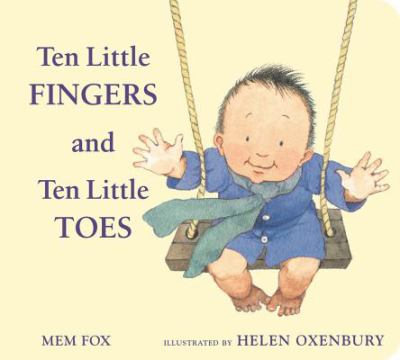
Illustrations and simple rhyming text explore the love of a parent for his or her young child. On board pages, with die-cut hearts that become progressively smaller as the text advances.
2. Read the book together.
On our Facebook event page, you can talk with other MDBC members, and if any of you want to get together, read the same book, and do your “fashion” show together, you can connect to do planning here. You can also post thoughts about your book.
Making friends is easy for some children and more difficult for others, but when you show your child “how” to be a friend, it makes the task seem easier. As you do so, don’t forget to point out that not every one will be kind in return, but to be patient. Below you will great links, songs, videos, and books about friends. And remember… your child will always find a friend in the library!
Ages 2-5
“Research shows that establishing friendships is an important developmental goal for children under the age of seven. Friendships developed during the preschool and early school years give children valuable contexts in which to learn and practice skills related to social, cognitive, communicative, and emotional development.”
Print off the “How to Play with Friends” game circles at https://www.powerfulmothering.com/how-to-play-with-friends-a-preschoolers-visual-guide-and-game/. Then play Charades with your child taking turns acting out the activity on the game circle. Take time to talk about why that activity is good for playing with friends. You can also read a book about friendship and talk about how to be a good friend.
Gerald the elephant and Snake fear that Piggie and Brian Bat will have so much fun together they will no longer need their best friends.
Best friends Etho and Birt love going up Sudden Hill and sitting in simple cardboard boxes imagining they are kings, soldiers, astronauts, or pirates until Shu asks to join them, and their “two-by-two rhythm” is disturbed.
(Tune: If you’re happy and you know it)
If you’re friendly and you know it,
clap your hands.
If you’re friendly and you know it,
clap your hands.
If you’re friendly and you know it,
then you really want to show it,
If you’re friendly and you know it,
clap your hands!
– Literaryhoots.com
– Adapted from childhood
Print out this coloring page!
When Tanisha spills grape juice all over her new dress, her classmate contemplates how to make her feel better and what it means to be kind.
An imaginary friend waits a long time to be imagined by a child and given a special name, and finally does the unimaginable–he sets out on a quest to find his perfect match in the real world.
Getting dressed is a great opportunity to practice singing, talking, and playing with you child, and you do it every day! It doesn’t take a lot of time to add a song, match a shoe, and talk about why we wear clothes. It’s also a great way to “see” how your child is feeling from the clothes they choose to wear.
Ages 2-5
Here we are together, together, together! Oh, here we are together in our library. There’s (sing names)… Here we are together in our library!
Hello everybody let’s clap our hands*, clap our hands, clap our hands. Hello everybody let’s clap our hands today! *pat our head, stretch up high, wiggle our fingers, tickle our knees, kick our feet, bounce up high!
(Sing while pointing to each finger on your child’s hand.) Sing, talk, read, write, play! Sing, talk, read write, play! Sing, talk, read, write, play! Sing, talk, read, write, play each day!
Even though babies will not actually understand number words and concepts, rhymes with numbers prepare them for the idea of numbers and for counting by rote or imitation. Later they will connect the concept to the words.
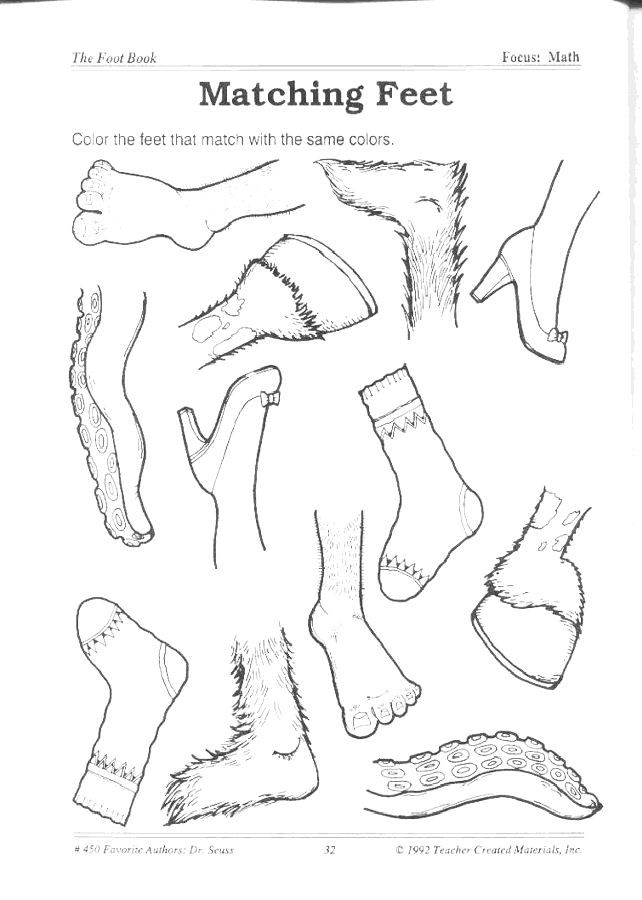
Recite and play “Old Shoes, New Shoes” with your child by gathering shoes into a pile, then have them pick one, pair it to its match, and then sing the song together.
In the Pacific Northwest, the trees are always green, the eagles are always stern and Sasquatch is always, well, naked. But what happens when a rule-touting ranger shows up to ask Sasquatch to put some clothes on? Find out in this story of mountainous fun and evergreen hilarity.
Nita communicates with her parents in sign language to ask for snacks, play ball, and express love.
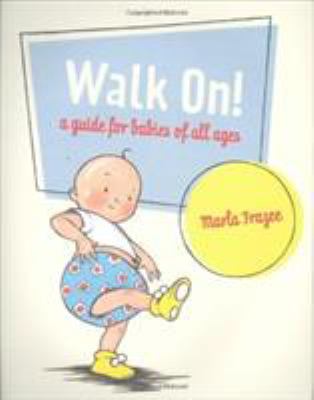
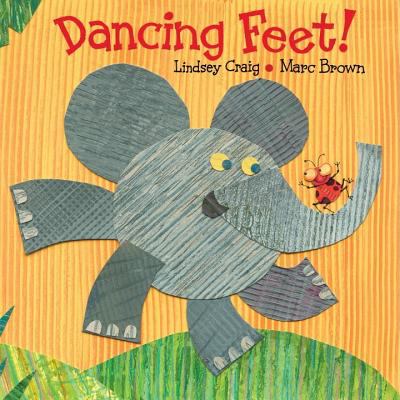
A rhyming text about learning to dance is illustrated with Boynton’s familiar pig characters.
(Tune: Mama’s Little Baby Loves Shortnin’ Bread)
Baby put your pants on, pants on, pants on,
Baby put your pants on, 1, 2, 3.
Repeat with other articles of clothing (socks or tights, shoes, etc.)
Now that we’re dressed, now that we’re dressed,
Now that we’re dressed, let’s go outside and play.
Now that we’re dressed, now that we’re dressed,
Now that we’re dressed, we’ll have a great day.
– Adapted from Youthscope.wordpress.com
(use when changing diapers, with baby laying on back, move feet to rhythm)
Charlie Chaplin went to France
To teach the ladies how to dance.
First he did the rumba, rumba, rumba
Then he did the kicks, the kicks, the kicks
Then he did the samba, the samba, the samba,
Then he did the splits, the splits, the splits.
– Youthscope.wordpress.com
Old shoes, new shoes,
(Child) is wearing (description) shoes
One, two, three, four,
Now I tap them on the floor!
– Youthscope.wordpress.com
The narrator uses reverse psychology to get a young sheep dressed.