Storytime: I Can Do Hard Things

by | Mar 12, 2022 | Blog, Kid's Corner, Story Time | 0 comments

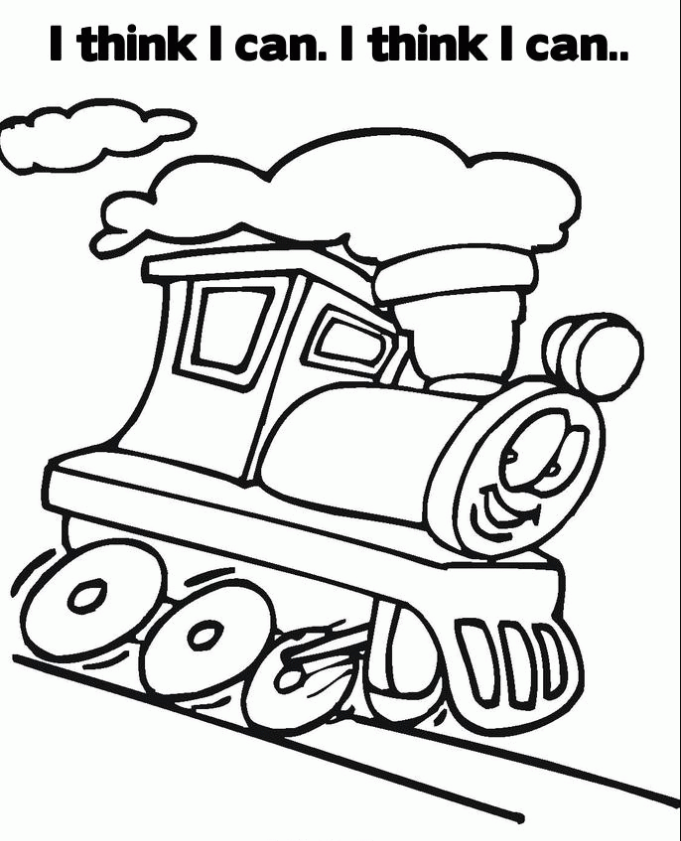
Picture a book from the 1930’s! This month we are reading children’s books published in the 1930’s. This week, we read, “The Little Engine That Could.” This story is a great kick-off to problem-solving and showing children that they can do hard things. In addition to these books and activities about problem-solving, try some of the activities at Empowered Parents, because as we all know, “I thought I could. I thought I could. I thought I could…”

Join us Monday, Tuesdays, and Wednesdays at 10:30 a.m. or Tuesdays at 6:30 p.m. in the Community Room.

Ages 2-5

Sing, Talk, Read, Write, Play

Tip

 Approaches to Learning — Using books and stories to help children think of their own solutions to problems helps them develop problem-solving skills. Researchers have found that having ideas for tackling problems helps children in learning new tasks and handling social situations.

- Lambert

Activity

Read a book with your child that revolves around a problem solving situation. Introduce the book by setting up the problem. On the page where the problem is revealed, you can ask, “What are some things you might do to… (solve the problem)?” Or, if you prefer, you can come back to that page and ask the question after finishing the book.

Books Presented
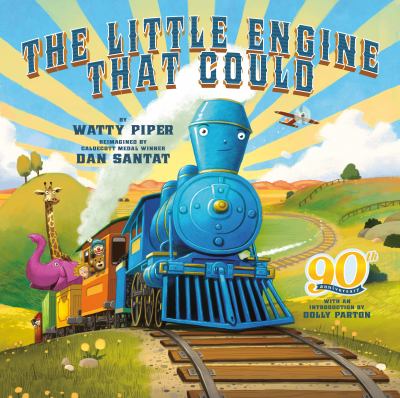
The Little Engine That Could by Watty Piper
Although she is not very big, the Little Blue Engine agrees to try to pull a stranded train full of toys over the mountain.

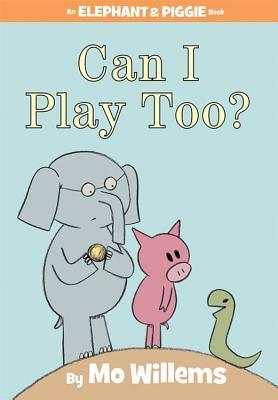
Can I Play Too? by Mo Willems

Elephant and Piggie learn to play catch with their new friend Snake


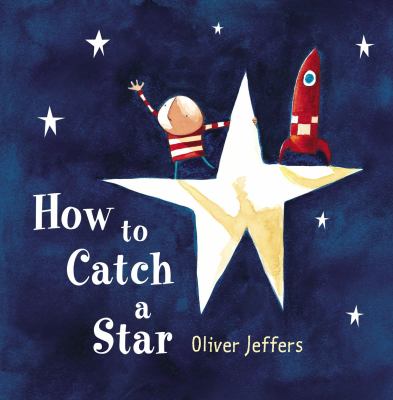
How to Catch a Star by Oliver Jeffers

Eager to have a star of his own, a boy devises imaginative ways of catching one.

Songs, Rhymes, and Fingerplays

The Wheels on the Track Go Clackety-Clack

Tune of “Wheels on the Bus”
The wheels on the train go clickety-clack
Clickety-clack, clickety-clack
The wheels on the train go clickety-clack
All along the track

Other verses:
The whistle on the train goes toot, toot, toot…
The conductor on the train says, “Ticket, please!”…
The people on the train go bounce, bounce, bounce…
The engine on the train goes chug, chug, chug…


This is the Way

This is the way we bounce the ball,
bounce the ball, bounce the ball,
This is the way we bounce the ball,
when we play basketball.
Kick the ball…
When we play soccer.

Hike the ball…
When we play football.
Swing the bat…
When we play baseball.


Crafts and Activities
What feeling is Pooh Bear feeling while he's in the sky?
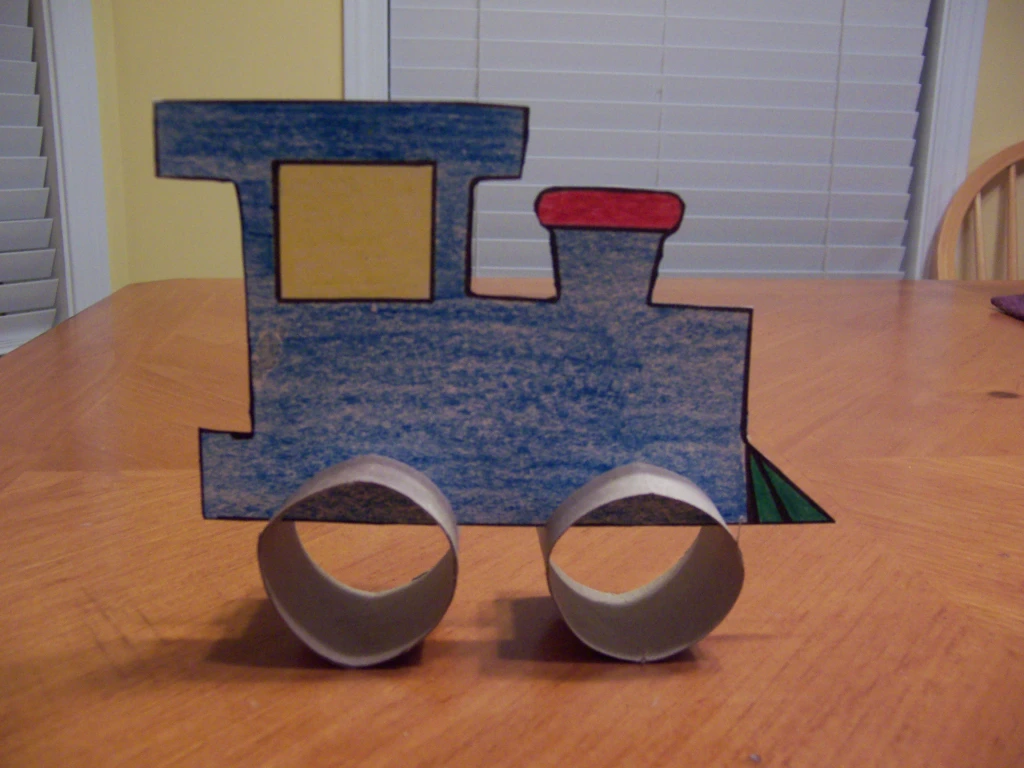
Make this cute little train!

Additional Books
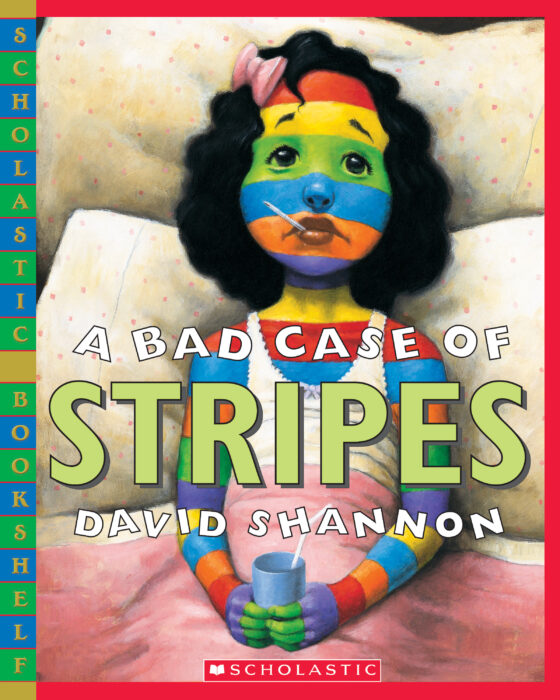
A Bad Case of Stripes by David Shannon
In order to ensure her popularity, Camilla Cream always does what is expected, until the day arrives when she no longer recognizes herself.

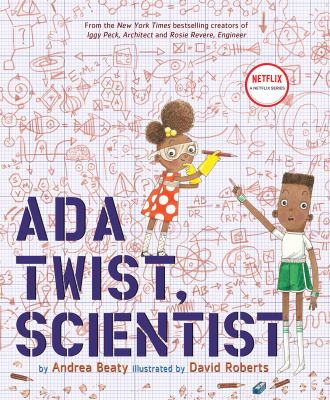
Ada Twist, Scientist by Andrea Beaty

Ada Twist is a very curious girl who shows perseverance by asking questions and performing experiments to find things out and understand the world.

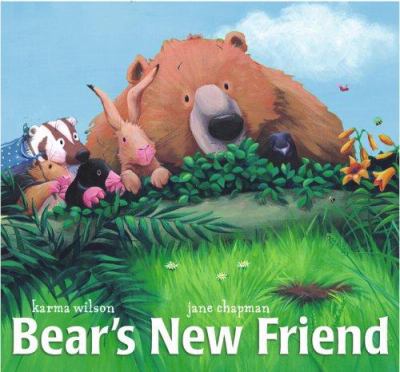
Bear's New Friend by Karma Wilson

Bear and his friends persuade a bashful owl to play with them.

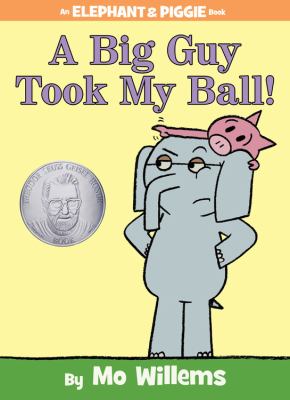
A Big Guy Took My Ball! by Mo Willems

Piggie is upset because a whale took the ball she found, but Gerald finds a solution that pleases all of them.

More Story Times

Story Time: Something NEW in March

Reading a ”new” book with your child can be an enchanting and exciting experience! After your child selects a new book, perhaps about a favorite topic like dinosaurs, trains, or animals, take a “picture walk,” and flip through pages. Look at the illustrations and try...

Story Time: F is for Flowers

It’s spring! The sun is out, the birds are singing, and we can all be on the lookout for flowers. Spring can seem like a magical time for kids and a big part of that magic is flowers. Looking for the green leaves and stems poking out of the dirt, finding the buds...

Story Time: F is for Fairy Tale

Once upon a time, in a castle far away… Fairy tales might seem like old stories, but reading them has many benefits for children. They can spark imagination and creativity. Magical descriptions can expand a child’s vocabulary. And many fairy tales are a fun way to...

Story Time: F is for Food

Food brings people together. Whether it's a family reunion, a birthday party, dinner time, or even a snack at the park, sharing food enhances cooperation, communication, and caring. So, the next time you read a book with food in it, talk with your child about the role...

Story Time: F is for Friends

For some children, making friends can be difficult, but practicing at home can help. Try some of the strategies found at PBS Kids for Parents. Then read a book about friends and talk about how the characters used the strategies and what happened.Join us Tuesdays, and...

Story Time: Something NEW, just for YOU! plus Skating

Check out some of these great new books at the library! They will have you spinning circles on the ice, sharing kindness in a variety of ways, and laughing out loud! And don’t forget the awesome application and extension activities, too.Join us Tuesdays, and...

Story Time: S is for Sledding and the OlympicS

You don’t need snow when you have your imagination! You can sit in a basket, box, or even the bathtub! So, jump on a “sled” and join us in a downhill adventure with these books and activities about the Winter Olympics and sledding!Join us Tuesdays, and Wednesdays at...

Story Time: S is for Snow and Winter OlympicS

Enjoying a snowy day with your child is the perfect time to teach them about healthy competition. As you play, you can talk about: How to win and lose gracefully Encouraging all participants Congratulating the winner The value of cooperation and teamwork Feeling proud...

Story Time: Something NEW, Just for YOU! in January

New books are great! If you haven’t had a chance to visit the library lately, you should come in and check out our section of New Non-fiction Books in the Children’s section. Non-fiction fuels curiosity, answers questions, is easily relatable to life, and builds...

Story Time: D is for Dress-Up

Have you ever played dress-up with your child? Not only is it great fun for them and you, but it can also be a critical developmental tool. It helps your child to make sense of the world around her while developing essential skills she'll use throughout life like...

0 Comments

Submit a Comment

Your email address will not be published. Required fields are marked *

This site uses Akismet to reduce spam. Learn how your comment data is processed.