
On the Same Page
Reader’s Guide
The Murder of Roger Ackroyd by Agatha Christie
► Agatha Christie:
The Early Years
► Writing Process
► The Detectives
► Back to On the Same Page Home
Agatha Christie, DBE
(September 15, 1890 – January 12, 1976)
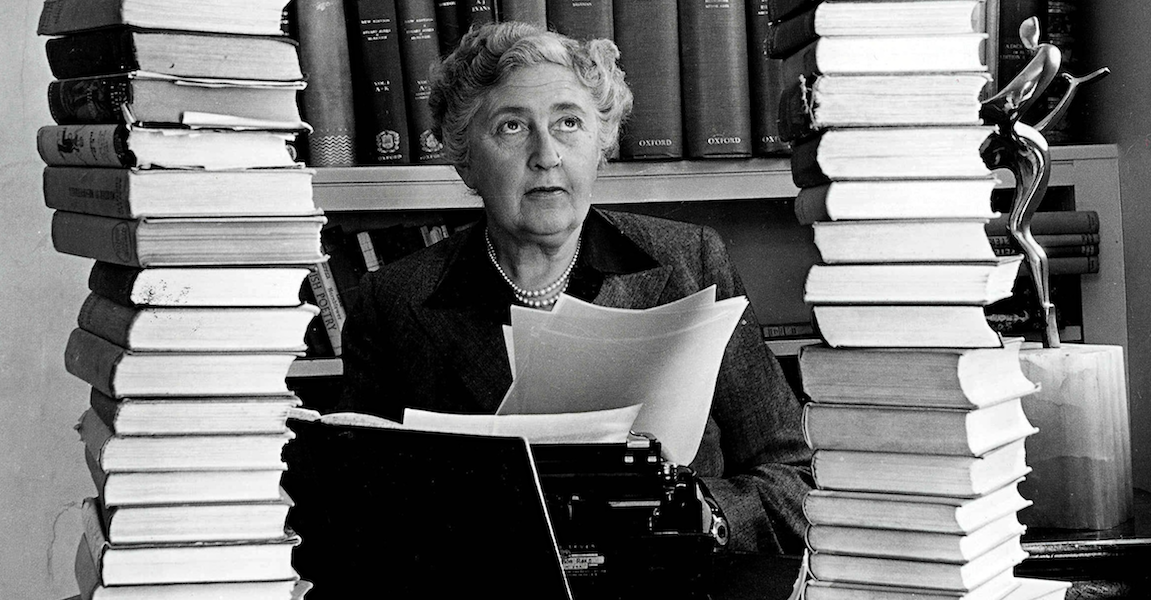
The Early Years
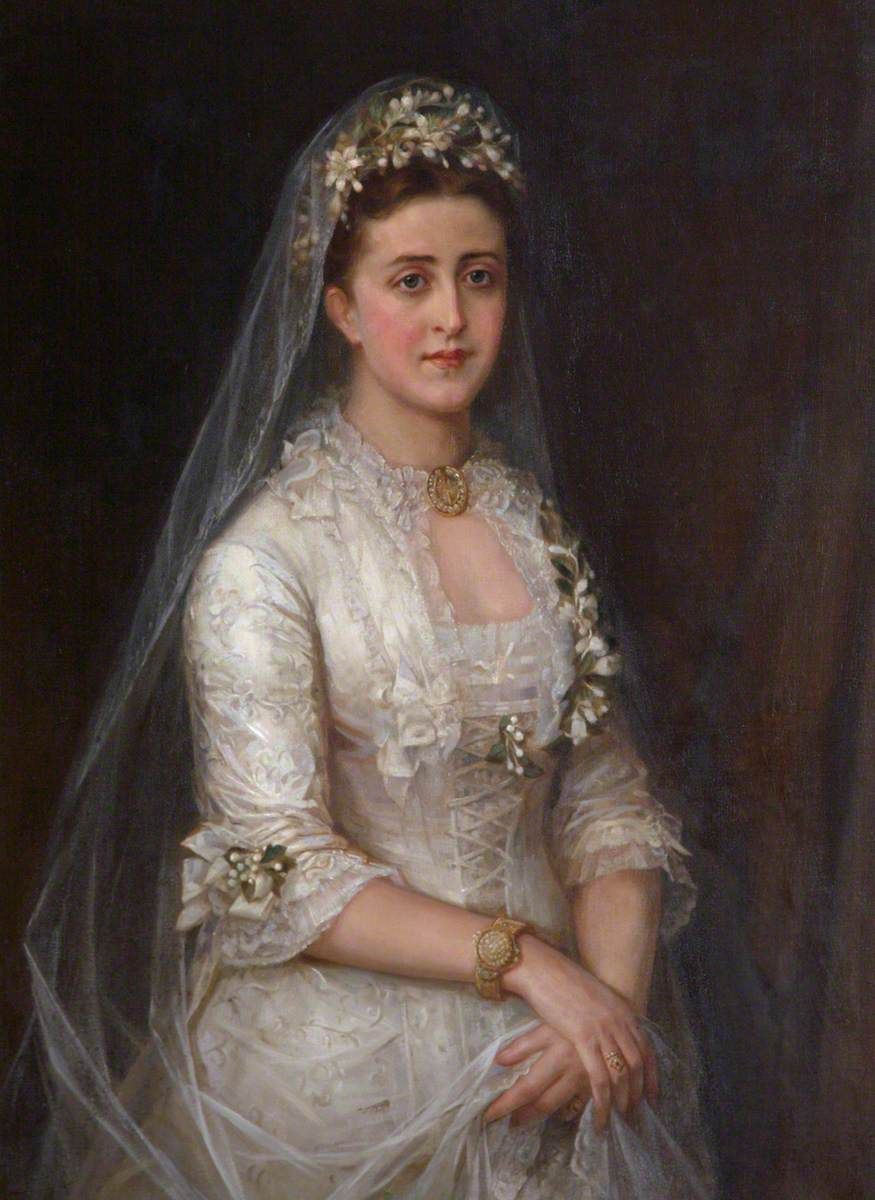
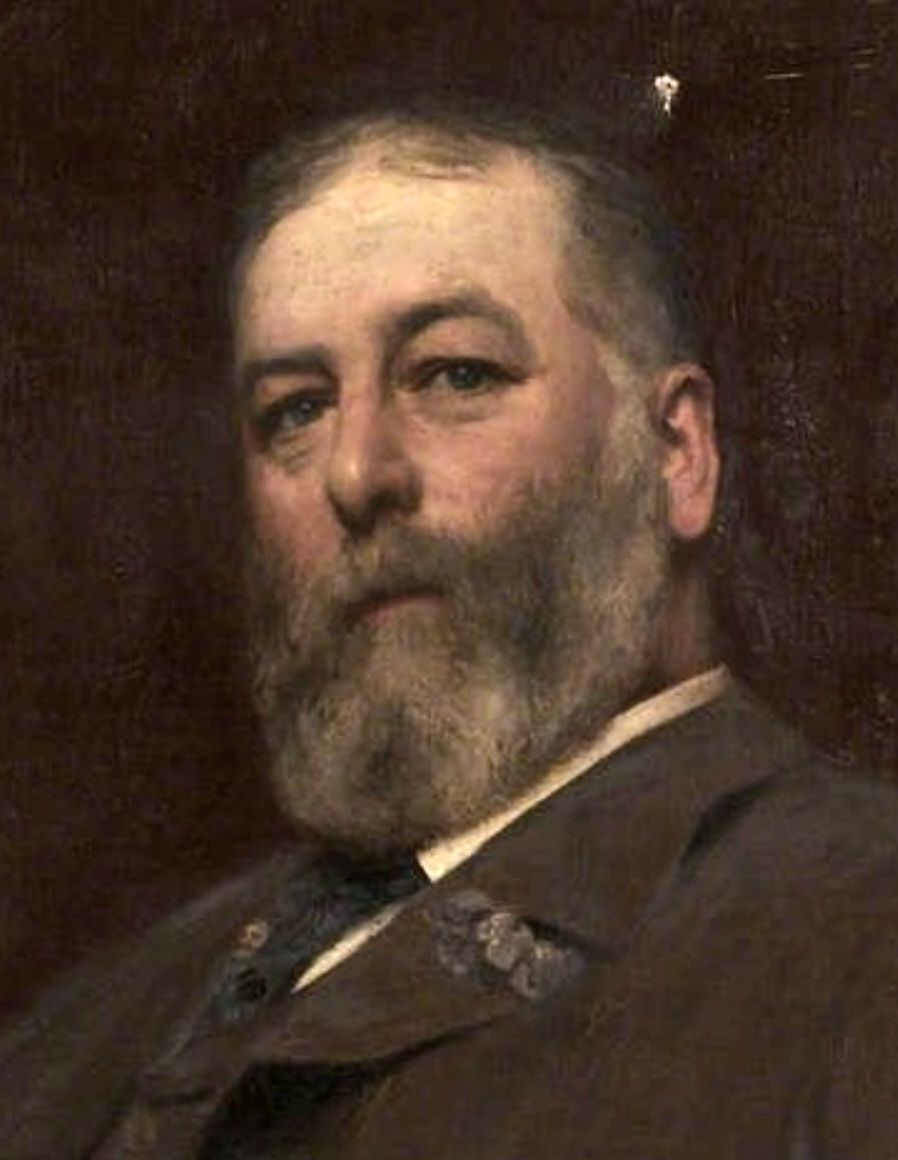 Agatha Mary Clarissa Miller was born on September 15, 1890 in the fashionable seaside town of Torquay, Devon, England.
She was the youngest child of Clara and Frederick with a brother, Monty, ten years older, and sister, Margaret or Madge, eleven years older. It should be noted that Madge Miller was also a talented writer of short stories, plays, and screen plays, and the sisters were close.
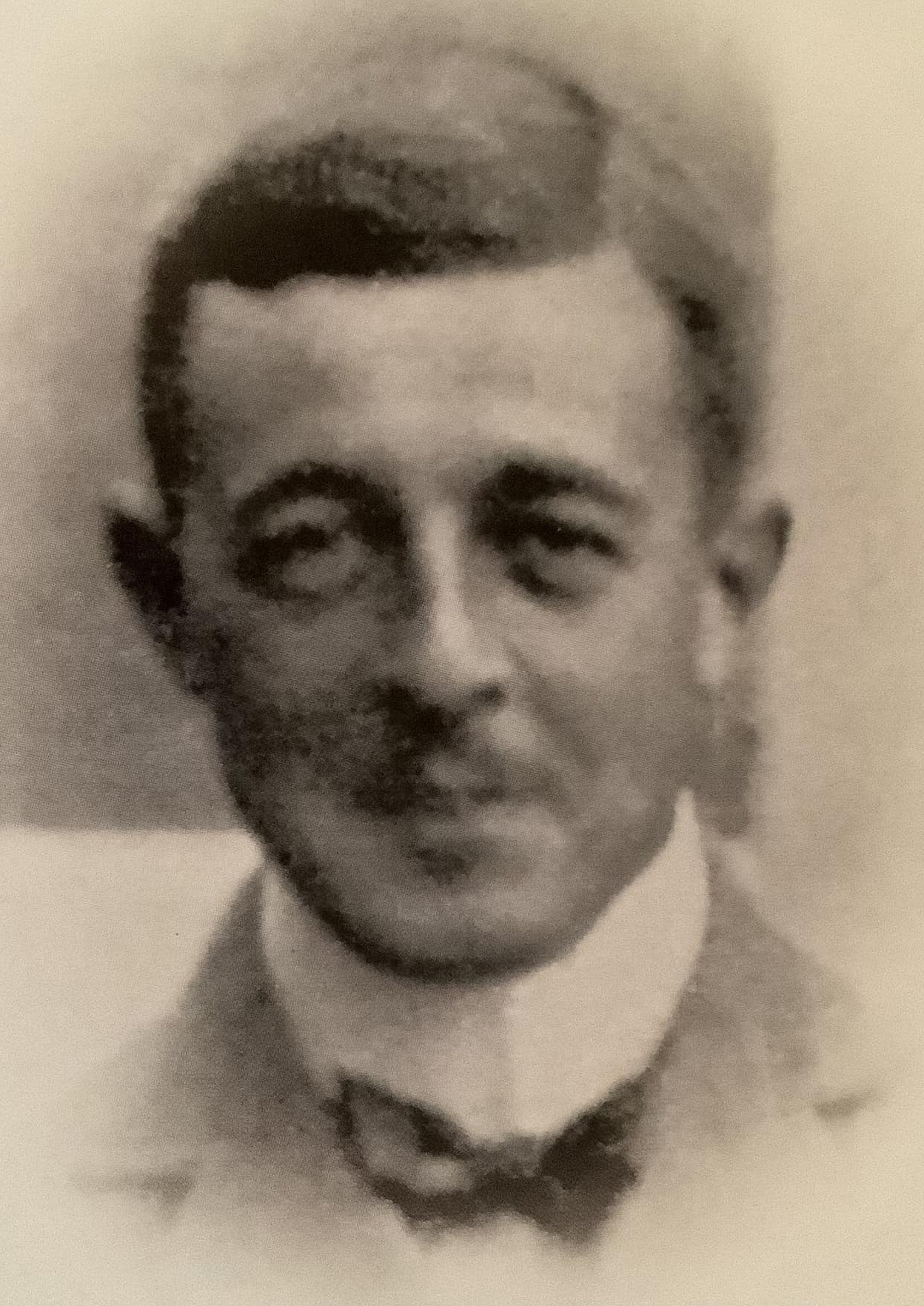
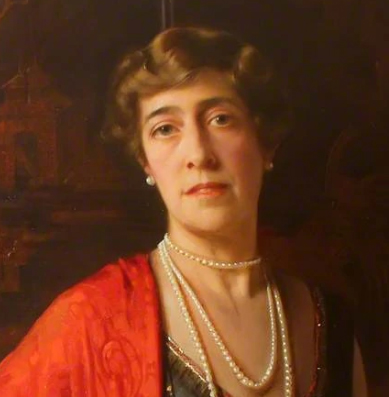
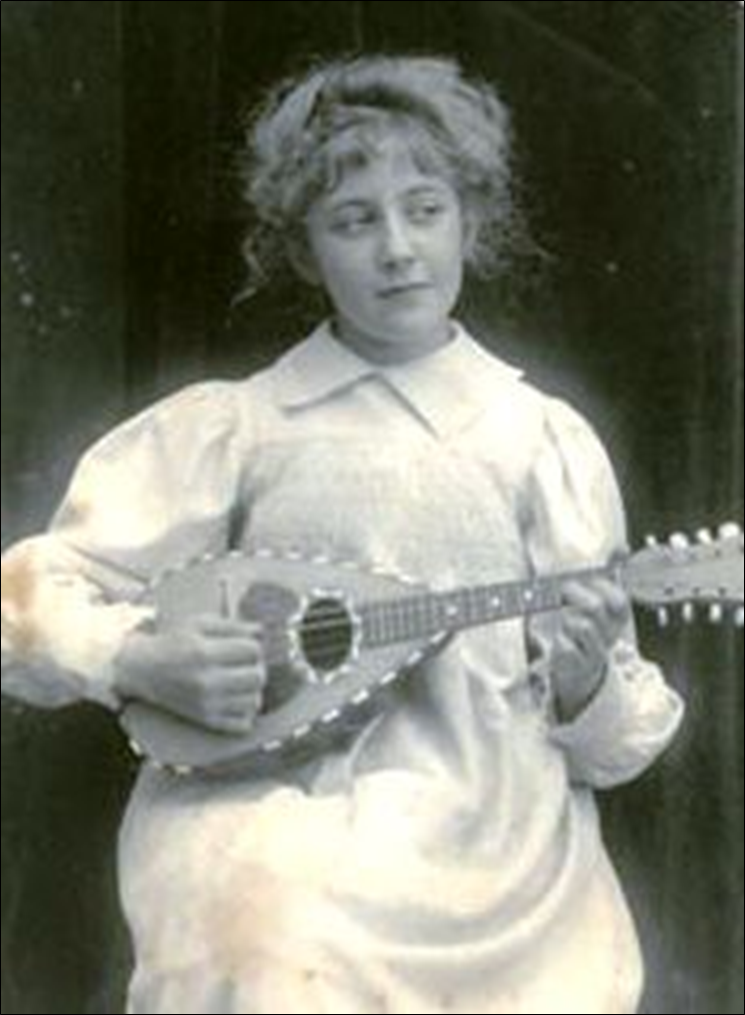 Monty was loaded with charm but not as bright as his sisters and lacked direction in life. After squandering his inheritance, Madge and Agatha bought him a house and hired a housekeeper. Since there was such a large age gap between her and her siblings while she was growing up, Agatha was largely left to entertain herself by exploring in the woods with her imaginary friends.
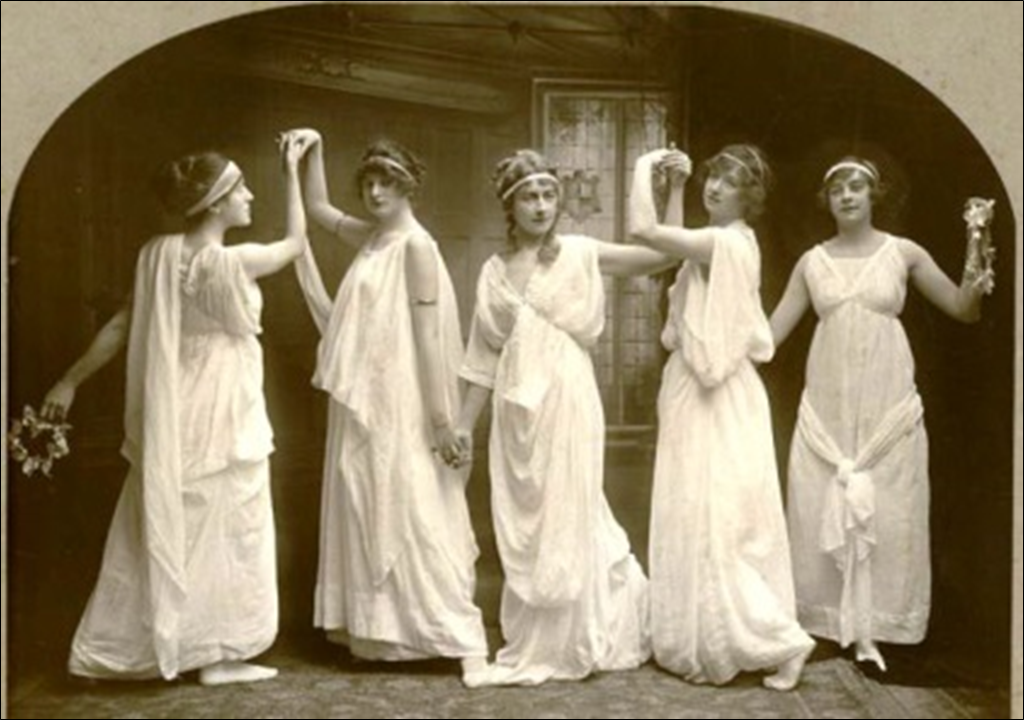 The family was socially active and involved with the yacht club, the cricket club, and the natural history society, and had a full calendar of parties. Agatha particularly enjoyed music and dramatic pantomimes.
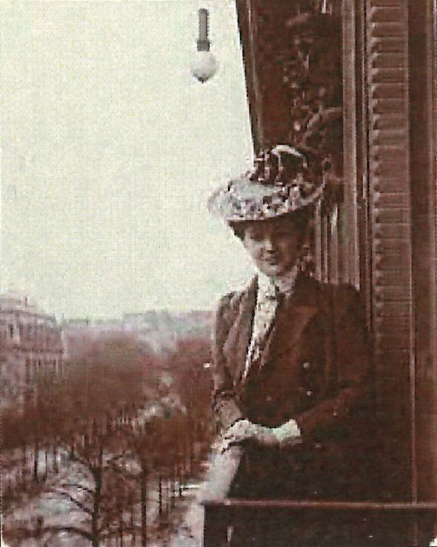 In 1901, when Agatha was eleven, her father died. Monty and Madge were largely on their own by then, leaving Clara and Agatha to lean on each other and form a tight bond that would last until Clara’s death. Clara insisted on giving Agatha her lessons as well which kept them very close physically until Agatha was sent to finishing school in Paris when she was sixteen years old focusing on singing and piano.
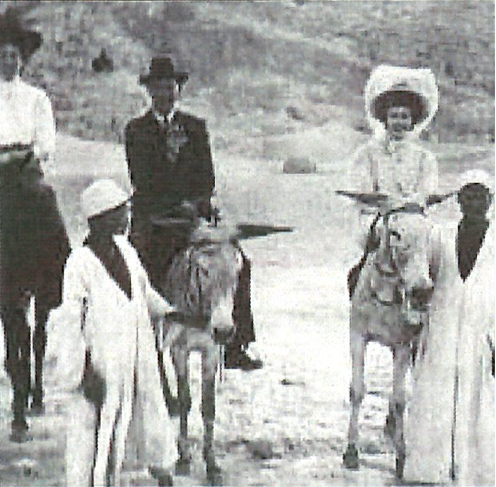 Finances became more strained after Frederick Miller passed away. Staff was reduced and to economize, part of each year was spent in the south of France. The pair also traveled extensively through Europe, Egypt, and the Middle East in general. Economizing might look a bit different for most of us.
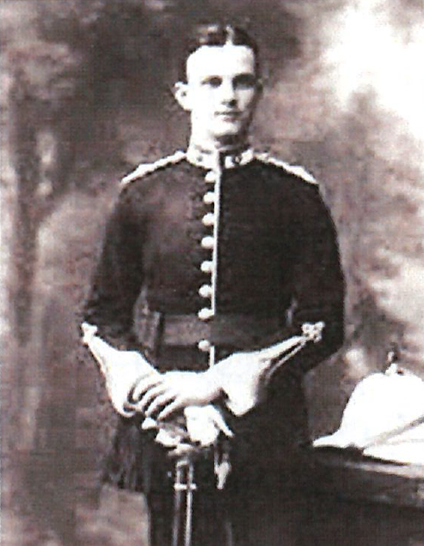 While home, they continued socializing in Torquay. One of the families that they were closest with was the Lucys. Reggie Lucy and Agatha became very close and before his leaving for Hong Kong for two years on military service, Reggie proposed. Agatha accepted. Reggie didn’t want to rush her by marrying immediately, but he left with the understanding that they would marry when he returned. He also made it clear that if her feelings changed during those two years, she was free to follow her heart.
The Archie Years
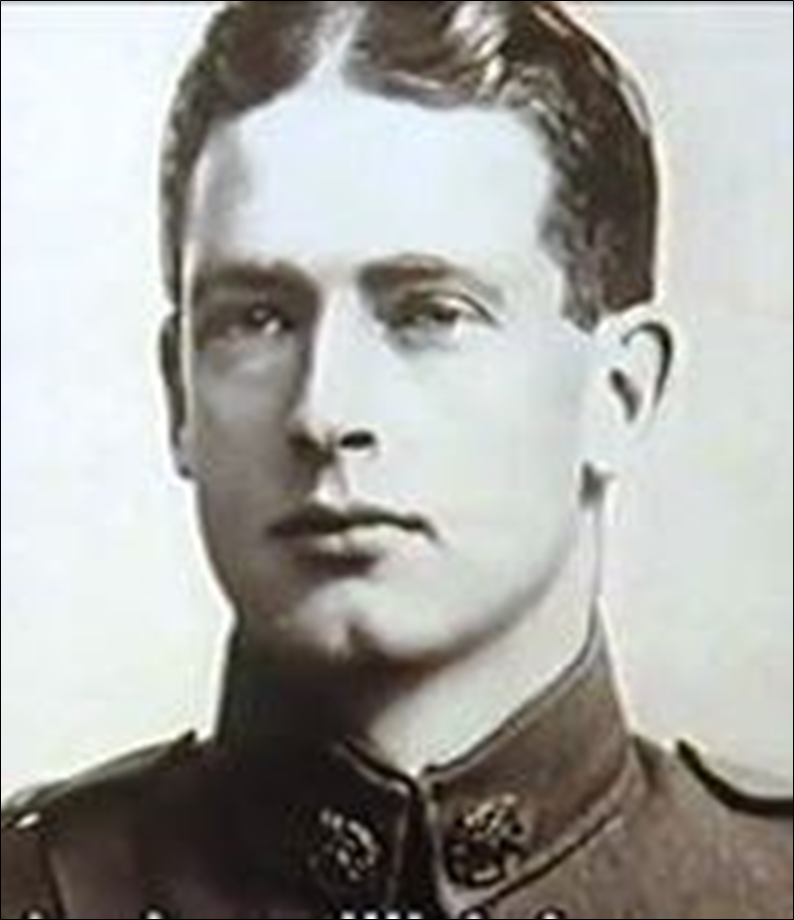 Agatha attended a dance in October of 1912 where a dashing pilot hovered closely and filled her dance card. Three months later Archie Christie proposed, and she accepted. He also left for military service. The two were finally wed on Christmas Eve 1914 when he was able to come home on leave from France in the newly begun War to End All Wars.
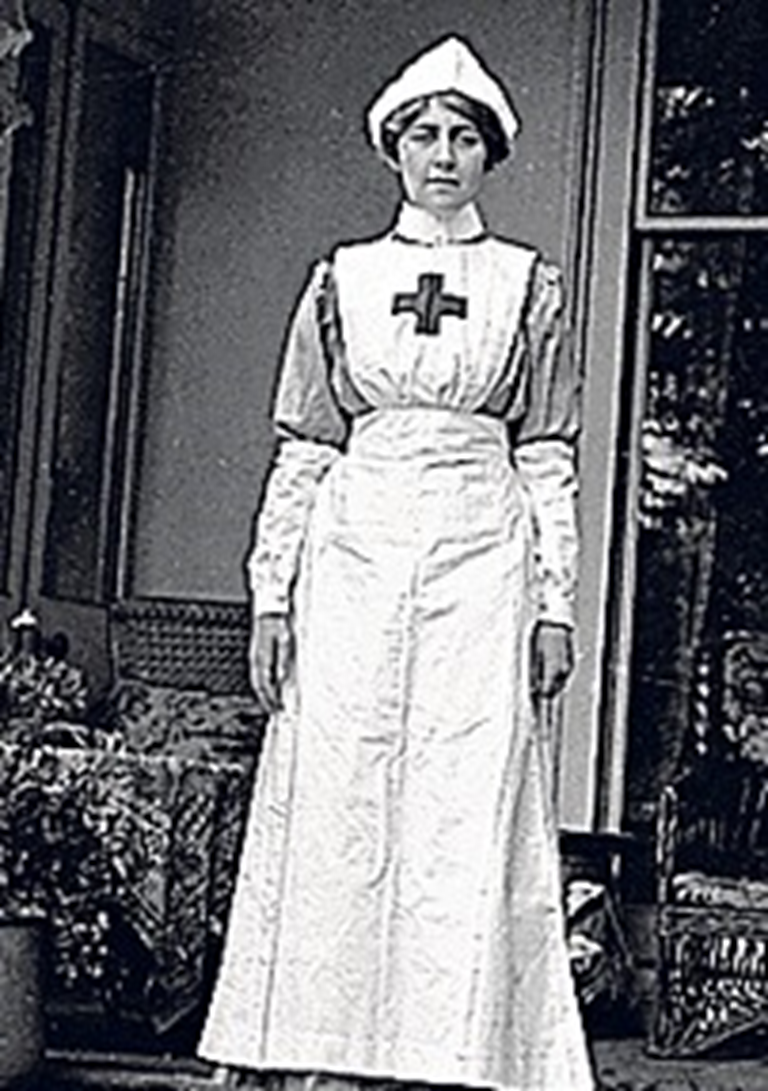 During the war, Agatha served as a nurse in Torquay’s field hospital and later as assistant to the pharmacist. While there, she became familiar with drugs, chemicals, and became especially enamored with poisons. At Madge’s encouragement, she began writing a story. She had the murder method and villain in mind, but she needed a detective to expose him. In 1920, she introduced the world to Hercule Poirot.
In 1919, the Christie’s were blessed with their only child Rosalind.
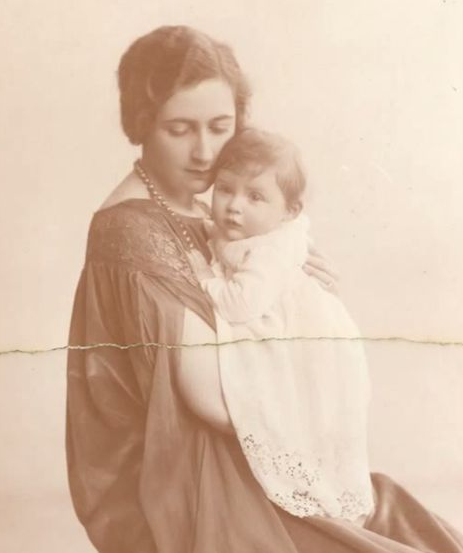 In 1922, Rosalind was left in the care of her grandmother and Aunt Madge while her parents toured the world for ten months. The trip included South Africa, Australia, New Zealand, Hawaii, and Canada.
A regular ocean swimmer and adventurer, Agatha learned to surf prone the way the South Africans did it. It was considered especially daring as surfing was seen as a strictly male sport. While in Hawaii, she took things further and learned to surf standing up, the second woman and first non-native woman to do so.
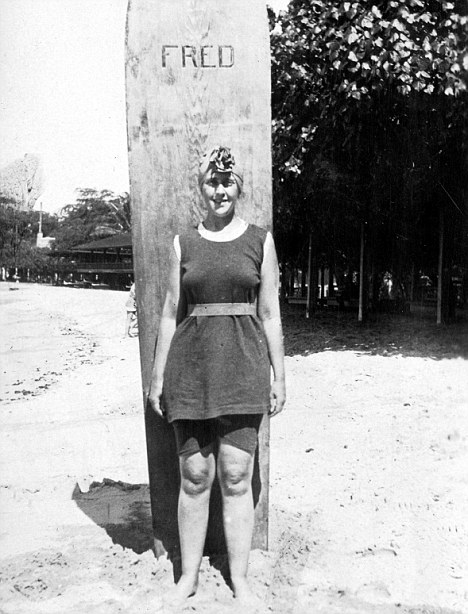 “Starting on my run, I would hoist myself carefully to my knees on the board, and then endeavor to stand up. The first six times, I came to grief… [but] Oh, the moment of complete triumph on the day that I kept my balance and came right into shore standing upright on my board!
“Oh, it was heaven! Nothing like that rushing through the water at what seems to you a speed of about two hundred miles an hour… until you arrived, gently slowing down, on the beach, and foundered among the soft, flowing waves.”
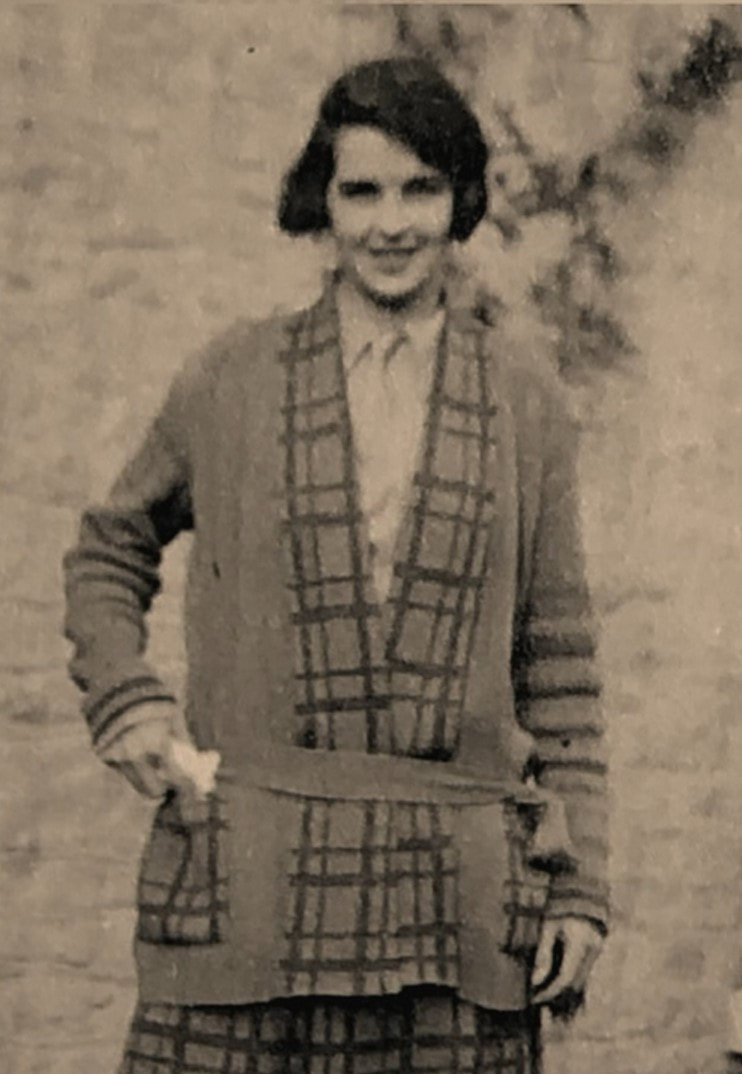
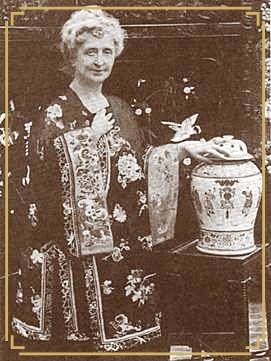 Back home in England, life settled into a routine until April of 1926 when the death of her mother, her closest friend and confidant, devastated her. She spent the summer in a deep depression spending much of her time at Ashfield sorting through her mother’s things and putting her affairs in order. The strain is visible in photographs of the time. She lost vast amounts of weight and appears gaunt and frail. She was near a breaking point.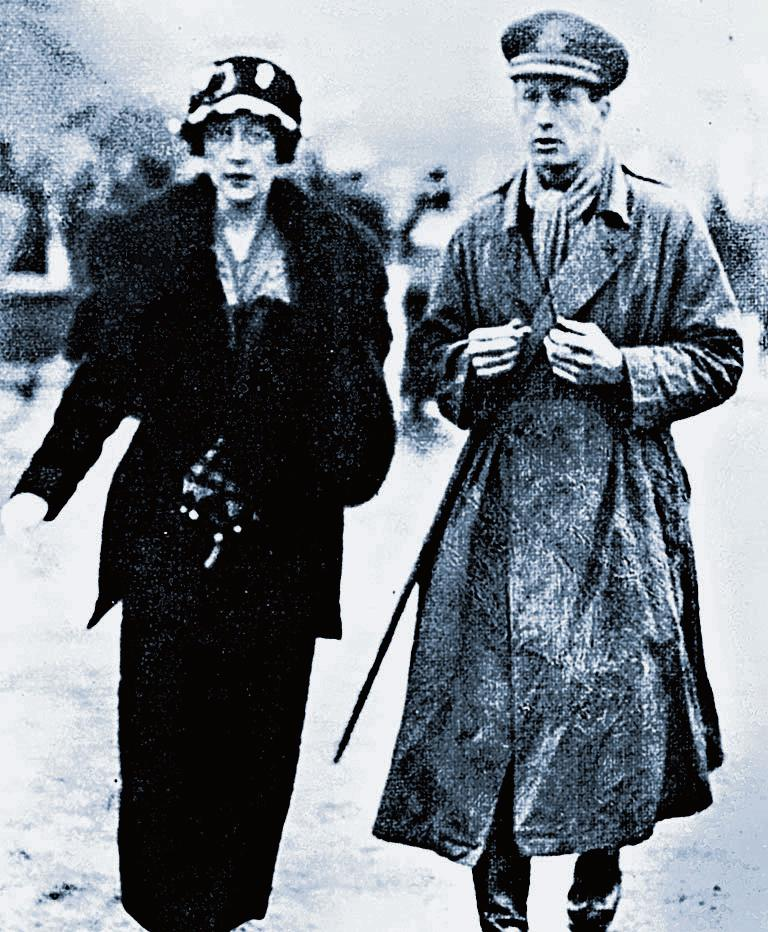
 It was that fall that Archie announced that he was in love with Agatha’s friend, Nancy Neele, and wanted a divorce in order to marry her. Agatha and Archie quarreled on December 3rd. He left to spend the weekend with friends, and she vanished. Her beloved Morris Cowley automobile was discovered in Surrey park above a quarry – coat, keys, license and suitcase still in the car. Some feared that she may have drowned herself. Papers followed her disappearance as front-page news stirring up a massive manhunt. Hounds, mediums, and 15,000 volunteers searched for eleven days until she was found in Yorkshire’s Swan Hydropathic Hotel registered under the name of Teresa Neale from Capetown, South Africa.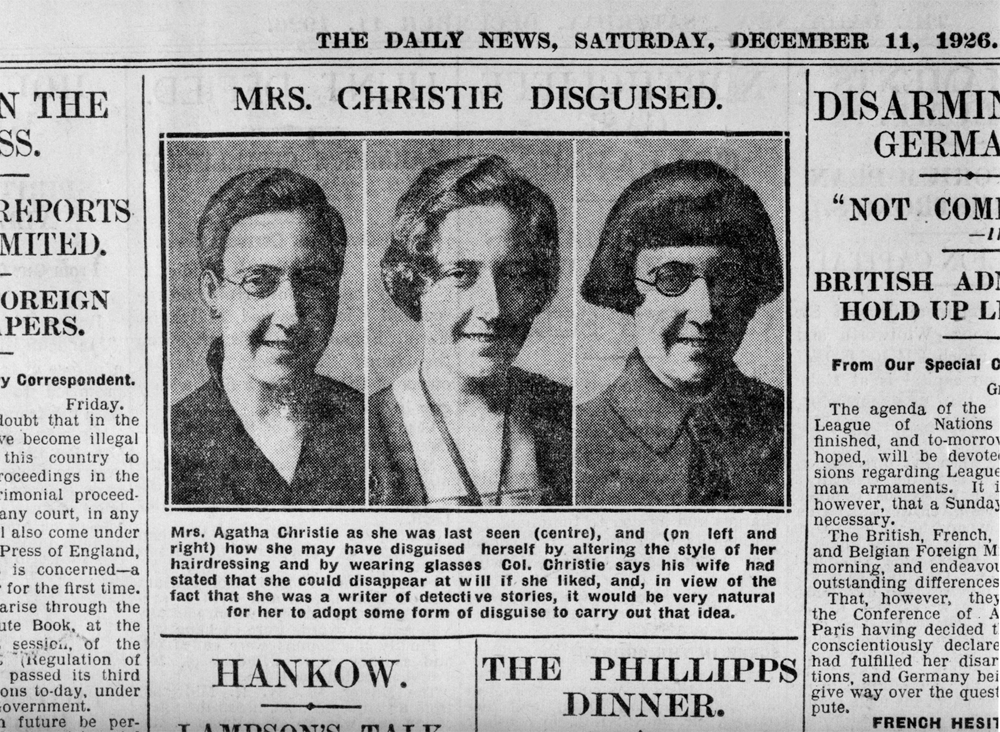
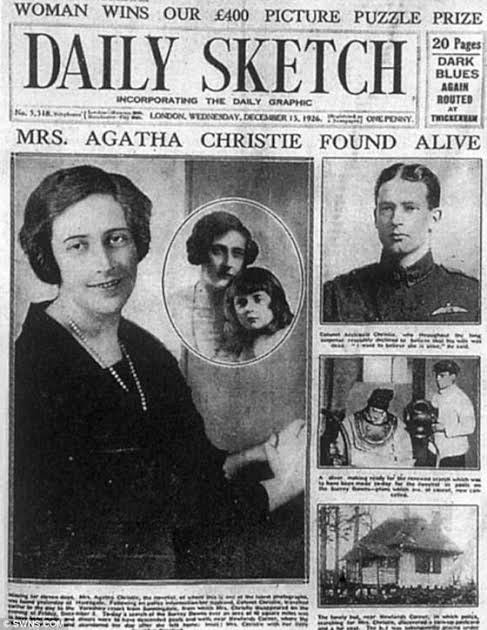 She could offer no explanation. Multiple doctors examined her and agreed that she was in a fugue state, now known as a dissociative fugue, which is characterized by temporary amnesia regarding one’s identity and often accompanied by unexpected travel or wandering. Sometimes the person may assume a new identity and be unable to recall personal information before the onset. While a few cynics claimed it was a publicity stunt, Agatha always said that she had no recollection of those missing eleven days and even skipped the event entirely in her autobiography. Although Agatha tried to salvage the marriage, the Christies were eventually divorced in 1928. Agatha was given custody of Rosalind and retention of the Christie name for her writing.
Mesopotamia and Max
In 1929, in order to lift her spirits, Agatha toured the Middle East settling for a time in Baghdad. There she become acquainted with Leonard and Katherine Woolley who invited her to visit an archeological excavation they were supervising at what was then considered the first city, Ur. They quickly became friends. Later that year, the couple stayed at her home in London.
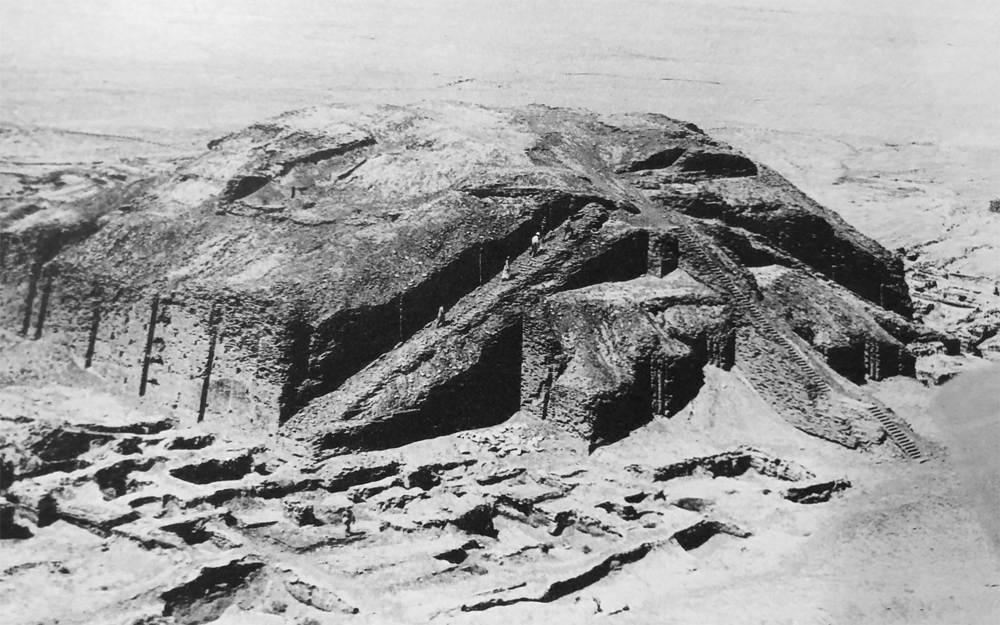 In 1930, Agatha visited Ur again. This time, Katherine Woolley persuaded the site’s second in charge, Max Mallowan, who was returning to England, to stay a few weeks longer to give Agatha a tour of other sites and digs in the region. They got to know each other well on the journey and enjoyed each other’s company. On the way back to Baghdad, their car got hopelessly stuck in the sand, and they were stranded four hours while a Bedouin went for help. Agatha made a great impression when, rather than panicking in the heat and dust, she calmly laid down in the shade of the automobile and took a nap. After completing their journey, Agatha got a telegram saying that Rosalind, who had been left in the care of her sister, had pneumonia and was seriously ill. She immediately set off on a non-stop, four-day train journey accompanied by Mallowan.
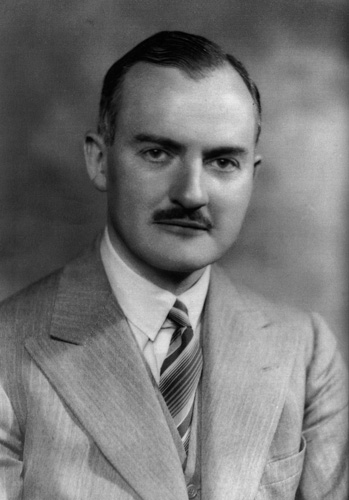 When Rosalind recovered, Max visited her again in Devon. On the second night of his visit, he proposed. She immediately declined. There was just too much of an age gap. She was thirty-nine and he was just twenty-six. It could be scandalous. She argued with him for two hours. He was undeterred and eventually wore her down. Publicity shy Agatha agreed to a quiet, almost secret marriage in September of 1930, six months after their first meeting. Rosalind, Agatha’s personal secretary Carlo Fisher, his sister Mary, and Agatha’s dog Peter were the only witnesses. Except for age, the pair seemed well matched.
Agatha Christie famously said: “An archaeologist is the best husband a woman can have. The older she gets, the more interested he is in her.”
Mrs. Mallowan
During World War II, Agatha again offered her services in a pharmacy. The knowledge she gained on poisons there gave fuel for many future stories. It was also during WWII that she was investigated by MI5 under suspicion of espionage. It seems that in her recent novel N or M, her imagining of a code breaking center was a little too true.
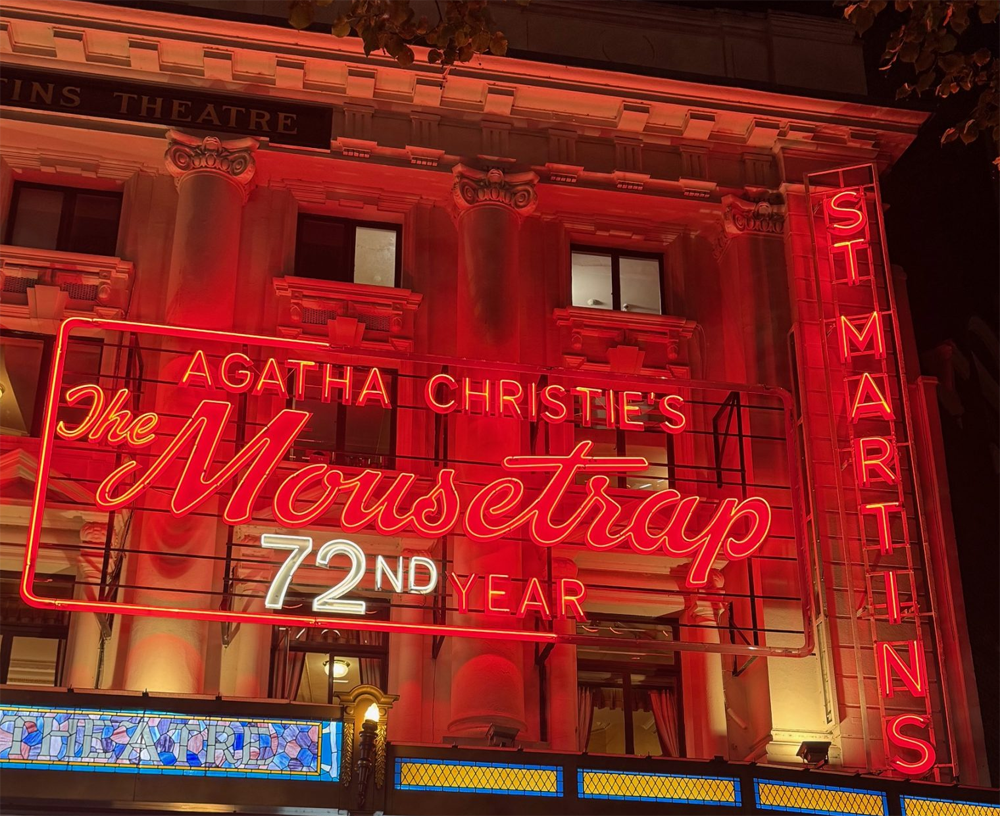 The 1950s and 1960s saw a continued outpouring of work, all of it extremely popular, yet Agatha continued to be shy to the point of paralysis and never became used to the attention. In fact, in 1958, a huge party was held in her honor at a West End hotel due to the extreme success of The Mousetrap. Upon entering the hotel, the doorman at the event didn’t recognize her and refused admittance. Agatha Christie, who said, “I still have that overlag of feeling that I am pretending to be an author,” once again gave into her crippling shyness. Rather than explaining who she was or asking for someone to identify her, she quietly sat in the lobby through most of the party. By this time, she had already been named a Commander of the Order of the British Empire, C.B.E., and was quite well known. (It must have been a horrible embarrassment for the doorman after things were sorted out.)
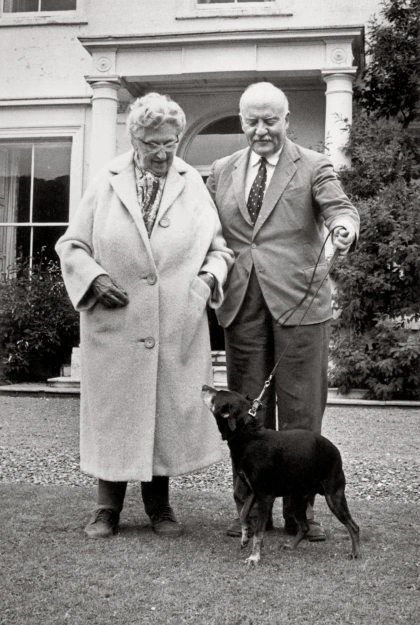 In 1971, she bettered her honorary title by being named Dame Commander of the British Empire, D.B.E. Three years prior to this, her husband had been knighted for his archaeological contributions. The Mallowans are one of the few couples where both have received life peerage on their own merits.
The couple remained happily married for forty-six years until her death in 1976 at age 85. Max died two years later.
Agatha’s Homes
While Agatha was certainly an adventurer, she was also very much a home-body. She needed and thrived on quiet time in comfortable surroundings. Her homes were her refuge and base of operation. Five major houses should be mentioned.
Ashfield in Torquay, Devon
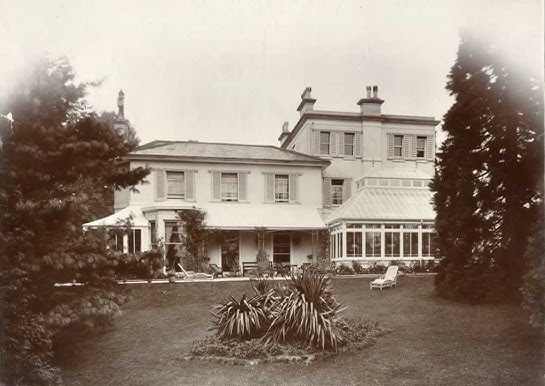 The family home in Torquay, Ashfield, was a villa which overlooked the ocean and bordered forests to the rear. As a girl, Agatha enjoyed swimming in the ocean and exploring woods behind her house. Generally left to entertain herself, the set-up helped develop a deep sense of curiosity and imagination. After her mother died, Agatha kept the house as her primary residence. It gradually lost its appeal because of surrounding development. There was no longer a view and quick path to the sea, and the forest behind the house had been leveled. It was sold in 1938, and torn down in the early 1960s by a developer.
Cresswell Place in Chelsea
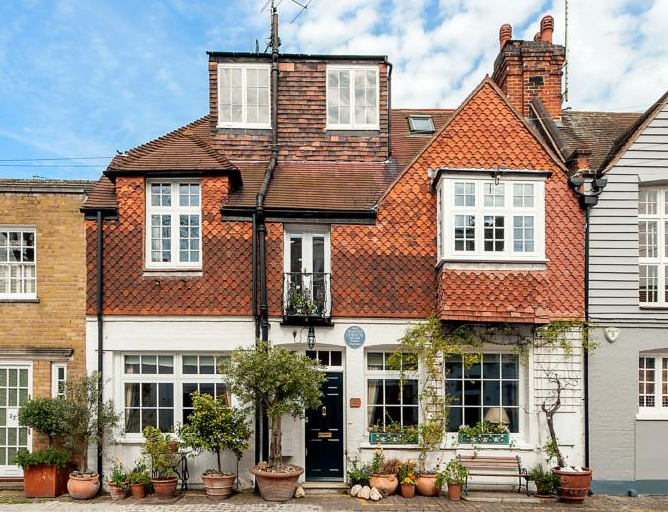 By the late 1920s, Agatha was divorced from Archie and was a successful writer. She independently bought 22 Cresswell Place in Chelsea, a suburb of London. It had originally been a news house and she got it with stables still attached and mangers on the walls. Yes, she did some renovations. The house still stands. It was followed by a string of London homes and flats. She always seemed to keep one in the city though it was often not in use.
Baghdad
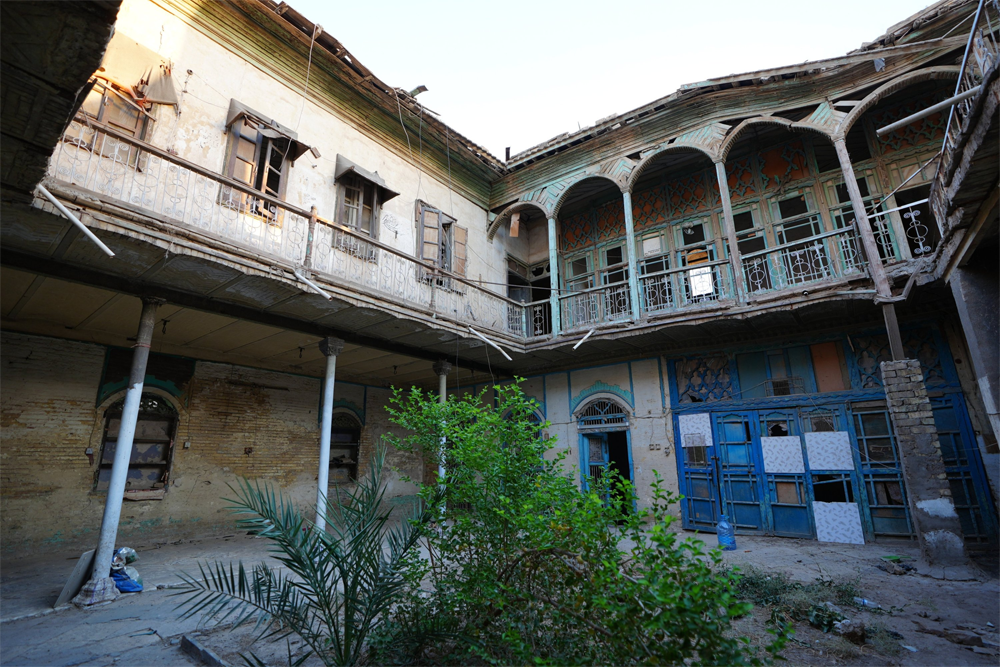 Being a homebody, Agatha needed a place of her own while travelling in the Middle East and working on Max’s archeological digs. She found this house in Baghdad that had belonged to a member of the royal family and spent winters there for the better part of two decades. The house is currently crumbling away. There has been talk of renovating it and turning it into a museum, but securing funds has proved a stumbling block.
Winterbrooke in Wallingford, Oxfordshire
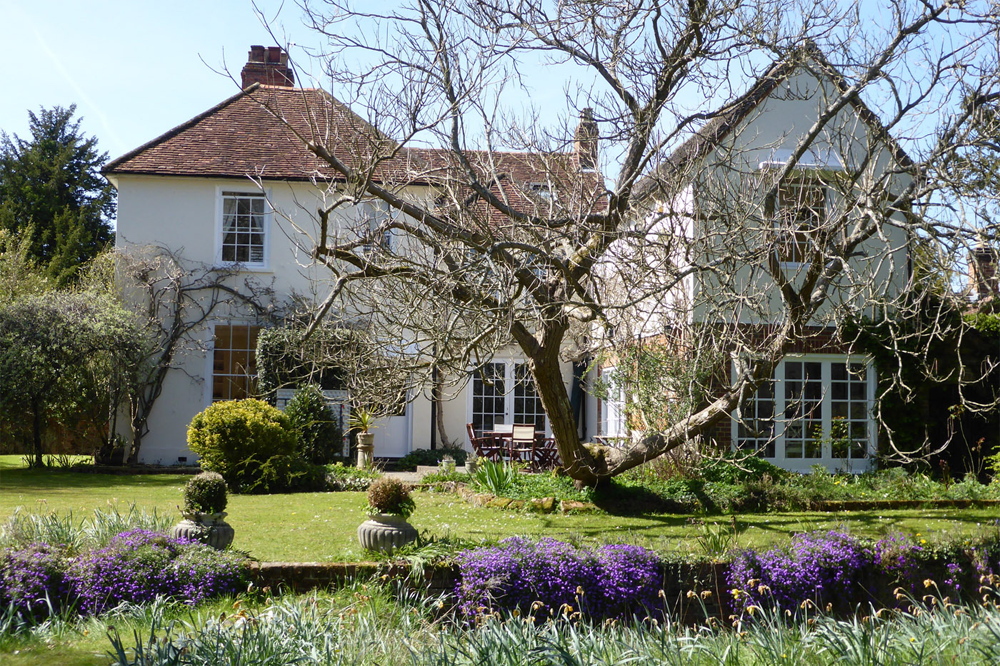 Winterbrooke was Max’s home and became their main residence while in England. The house was attached to seven acres running down to the Thames which made for lovely walking and gardening.
The local villagers treated the couple like normal residents. Agatha was pleased that, although everyone knew she was the famous writer Agatha Christie, she was always greeted as Mrs. Mallowan.
Greenway
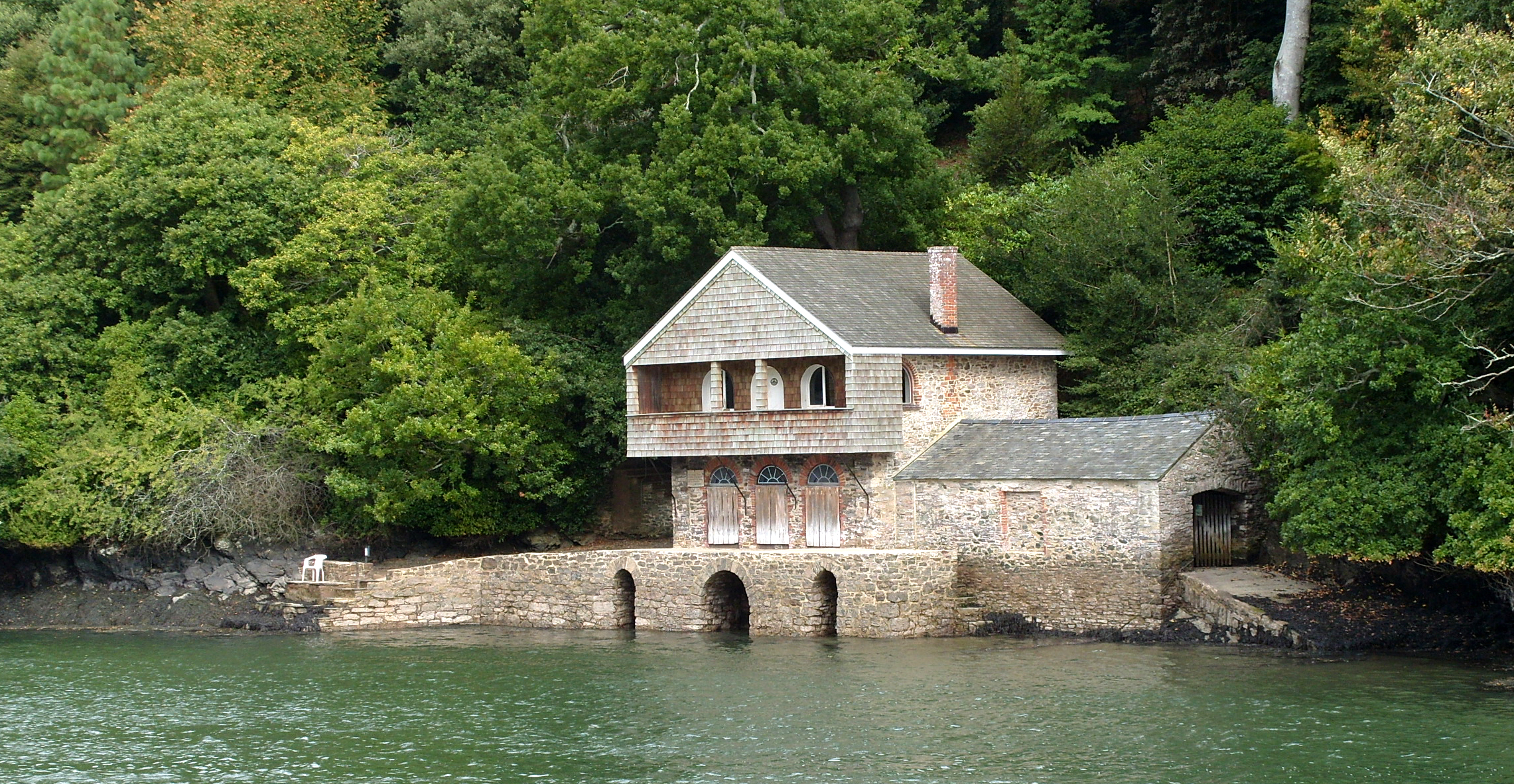
 After selling Ashfield in 1938, the Mallowans were looking for a getaway in Agatha’s beloved South Devon. They were thrilled to find the secluded Greenway. The house overlooks the River Dart and it came with thirty-six acres of woodlands containing an extensive maze of walking paths. It also came with landscaped gardens, a boathouse, greenhouses, two small lodges, and other attached buildings.
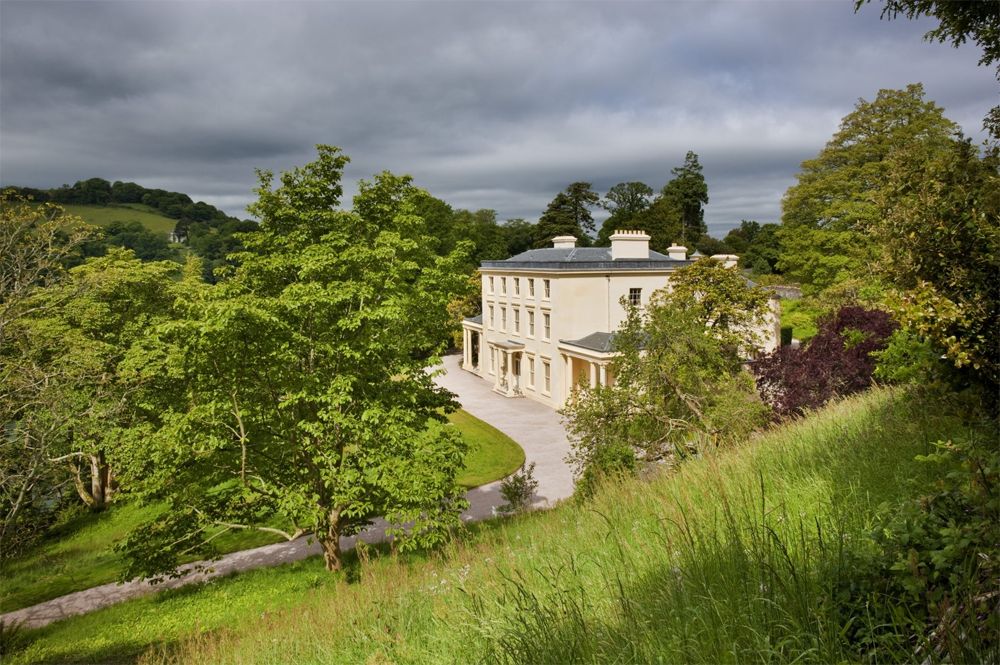 They thought they were getting it for the very affordable price of $16,000 pounds. However, they misheard and were only asked for $6000, a steal even in the 1930s. Agatha called Greenway “the loveliest place on earth,” and it was her escape for the rest of her life.
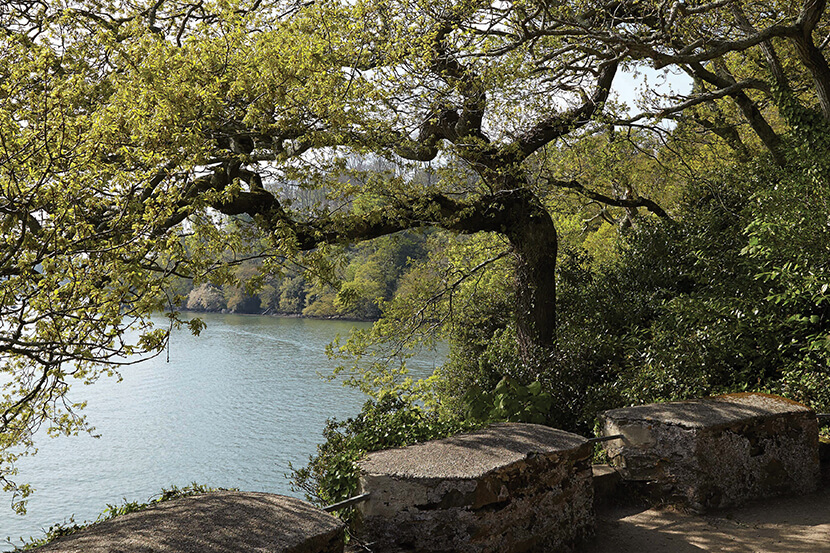 Her family said that Christie never wrote while at Greenway. However, anyone familiar with the house will recognize it as the setting for some of her books including:
The ABC Murder
Five Little Pigs
Towards Zero
Dead Man’s Folly
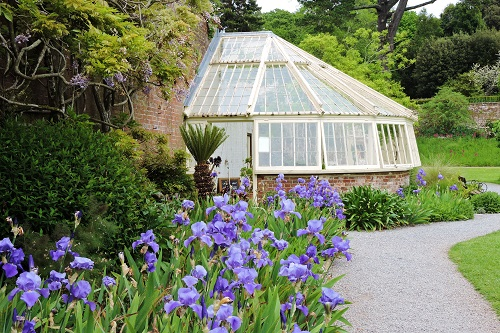 The BBC adaptation of Dead Man’s Folly starring David Suchet as Poirot was fortunate enough to film at Greenway.
The estate is currently owned by The National Trust which gives tours.
Writing Process
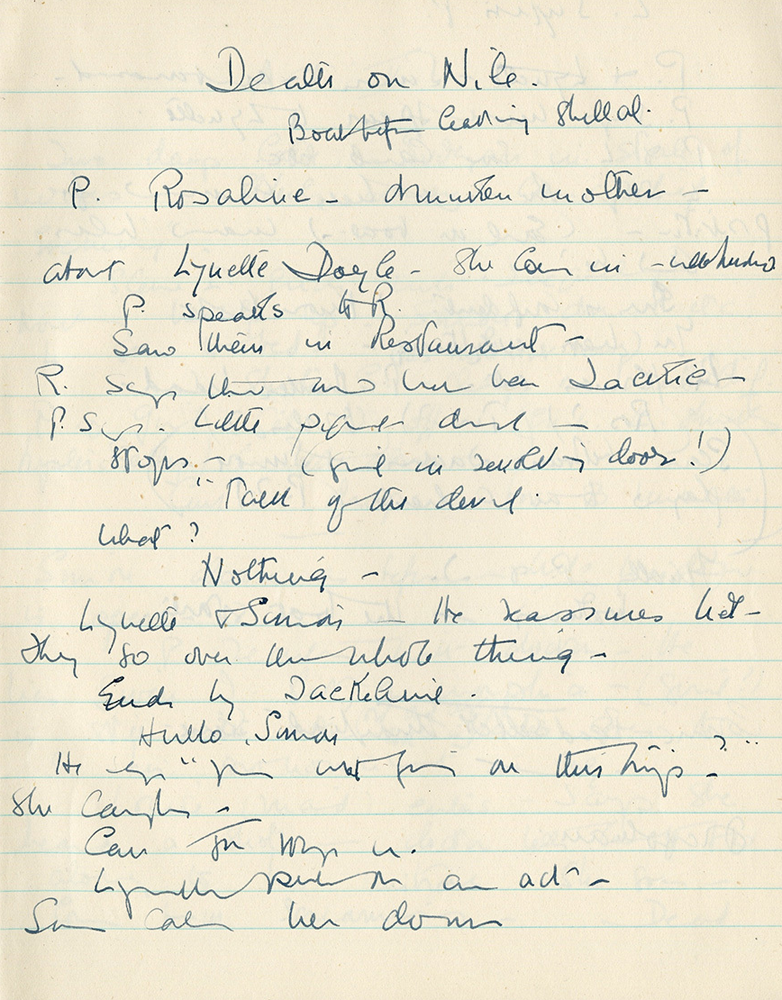 There are several great photos of Agatha Christie sitting at her desk with her typewriter seemingly pounding out her next novel. Those photos are illusions and publicity stunts. Christie couldn’t type. She suffered from a condition known as dysgraphia, a neurological condition which affects handwriting and is often related to other conditions such as dyslexia. She had atrocious penmanship and was a notoriously bad speller.
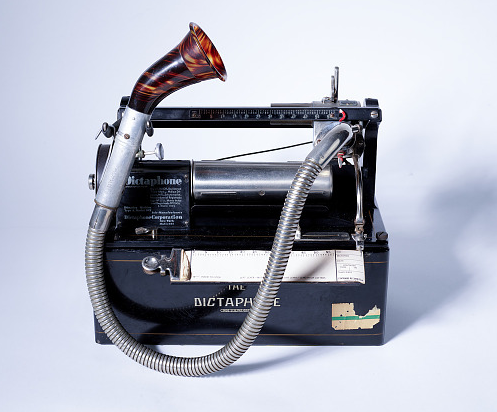 Initially, she would write out the novel long-hand and someone else would type it up, undoubtedly with a lot of questions along the way, or she would simply dictate it as it was taken down in shorthand. When the Dictaphone came on the market, it was immediately adopted as the method of choice.
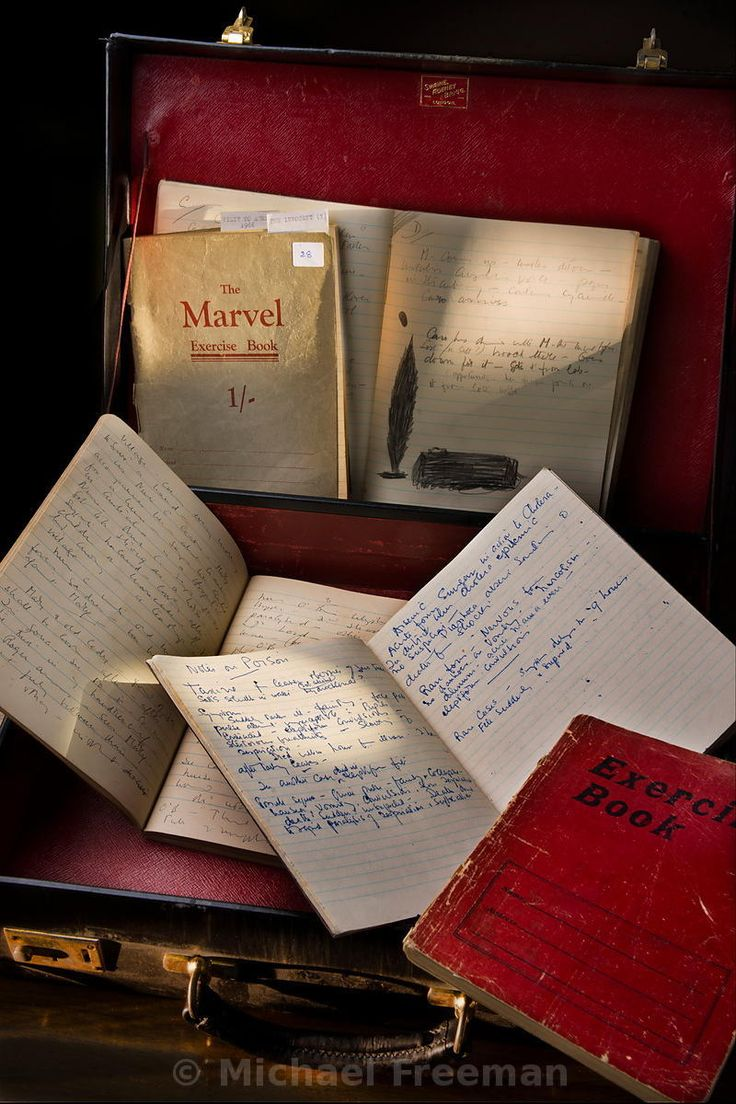 Her books always started out in notebooks that she carried with her jotting down passing notes on possible characters, plot points, settings, etc. Often these brief notes would come together and form a book. Other notes never quite made it to that point and are still waiting for her touch. How many works sprang from these notebooks?
- 66 Crime novels
- Over 150 Short stories
- 25 Plays
- 6 Novels under the pen name Mary Westmacott
Her daughter was able to locate 73 notebooks. We know that many have been lost or destroyed. It’s unclear how many she used over her lifetime. Some believe it may have been in the hundreds.
The Detectives
Agatha Christie created many memorable detectives over the course of her writing career. Most of them made single appearances. However, there were a few who returned for additional adventures.
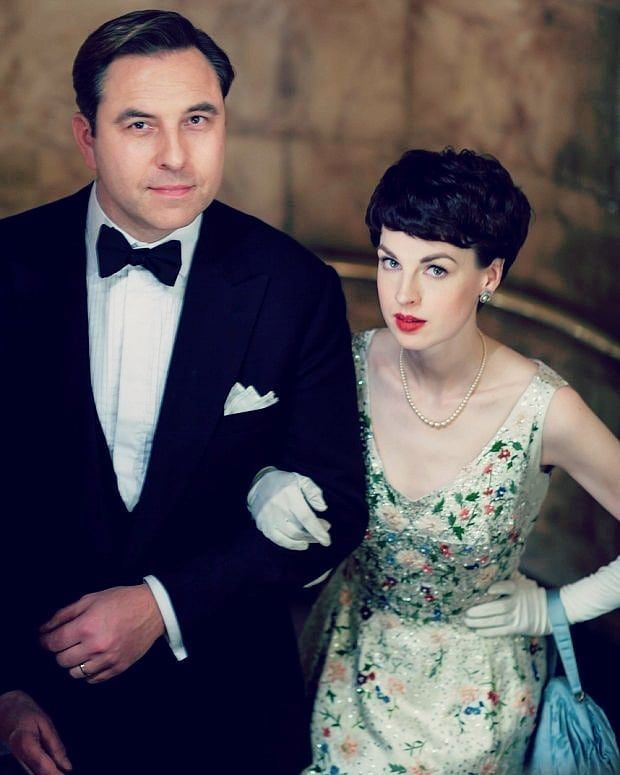 Tommy and Tuppence were a detecting couple which solved the case in five novels. Unlike all of Christie’s other heroes, they aged in real time. In their first book, The Secret Adversary, published in 1922, they were in their 20’s and were in their 70’s for Postern of Fate, their final adventure in 1973.
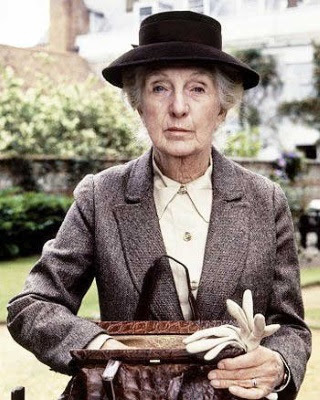 Christie’s favorite detective, Jane Marple, appeared in twelve novels and twenty short stories. Miss Marple was patterned after her grandmother and some of her friends.
While decidedly not Christie’s favorite, she gave the public what they wanted and wrote more stories about Hercule Poirot than any other. He’s the main character in thirty-eight novels, fifty-one short stories, and two plays.
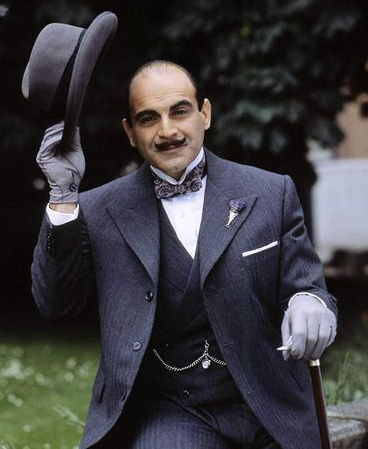 While planning her first novel, Christie wanted her detective to somehow be set apart from the other characters and made him Belgian. Writing it during the “Great War,” it made sense for a Belgian to be staying for a prolonged period in England. Christie’s hometown of Torquay was flooded with Belgian refugees. Belgium is a small country and during WW I was notably neutral. However, Germany wanted to take Paris, and Belgium was in the way. Giving the Germans a clear corridor through didn’t seem very neutral, and with Belgium’s supposed impenetrable fortifications, that seemed the end of the story. They weren’t expecting “Big Bertha,” a huge gun like the world had never known. The fortifications crumbled and the country was laid waste. Millions fled. Approximately 600,000 made their way to England.
Agatha in Media
There have been a number of books written about Agatha Christie, notably her autobiography, Lucy Worsley’s Agatha Christie: an Elusive Woman, The Grand Tour, and Agatha Christie’s Secret Notebooks.
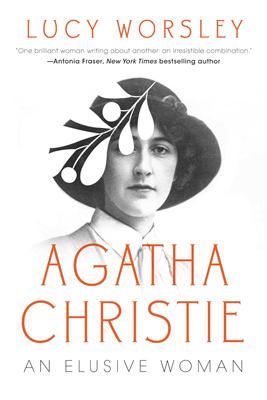
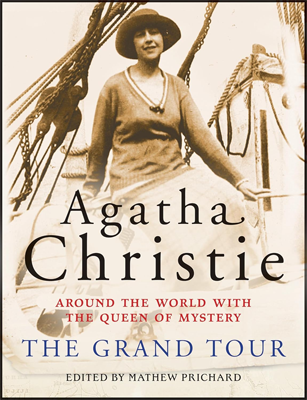
On film (or DVD) you can see an interpretation of her life in Agatha starring Vanessa Redgrave or watch a BBC three-part series, Agatha Christie: Lucy Worsley on the Mystery Queen.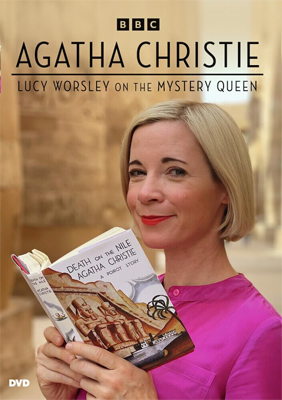
And let’s not forget Doctor Who’s episode The Unicorn and the Wasp which presents a very imaginative explanation for those missing eleven days.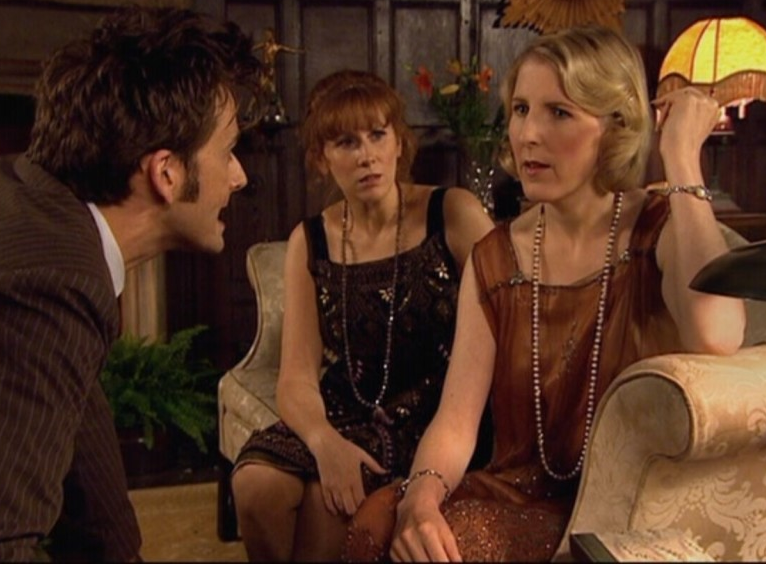
Mahjong
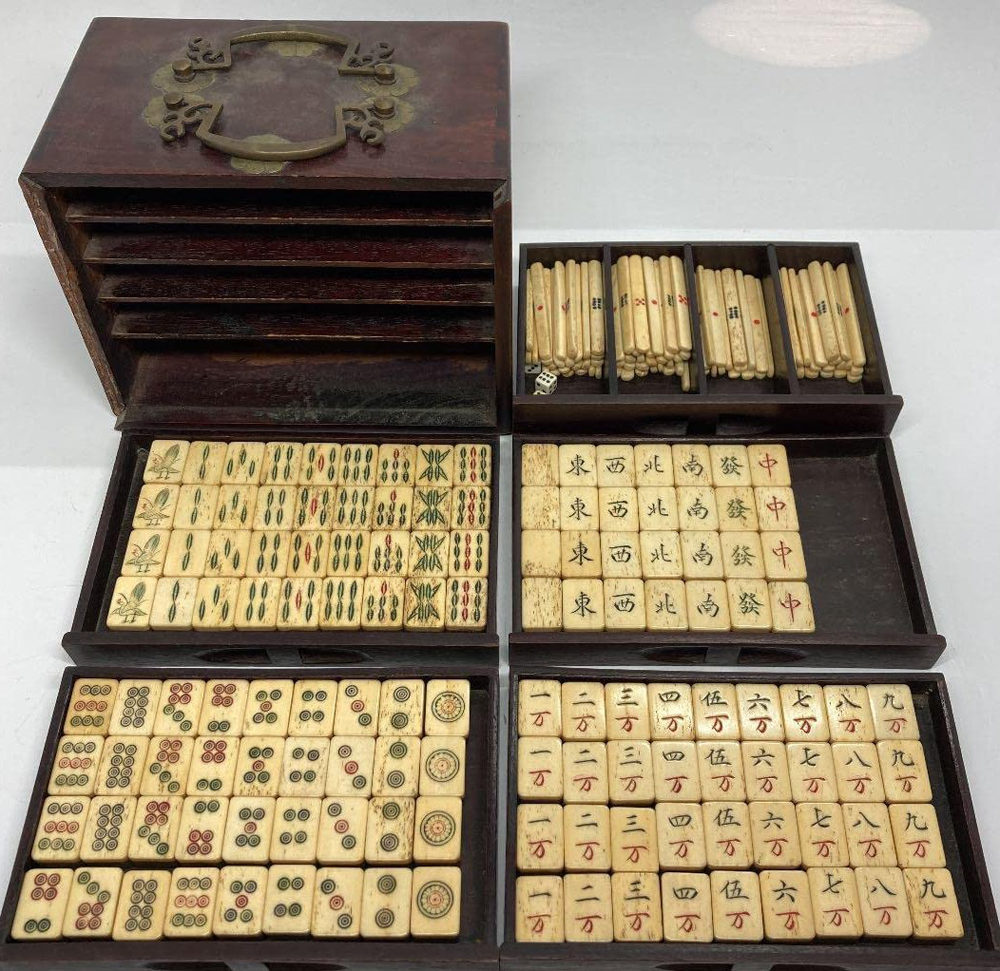 Mahjong is an old Chinese game which began on the Yangtze Delta in the 1800s as a form of male gambling. However, it quickly spread to other areas as a way to socialize. During the early 1920s, tourists, businessmen, and others, spread the game around the world where it rapidly found eager players. In the U.S. it became especially popular among Jewish women. The variations to mahjong are without number, often differing by country, community and even household.
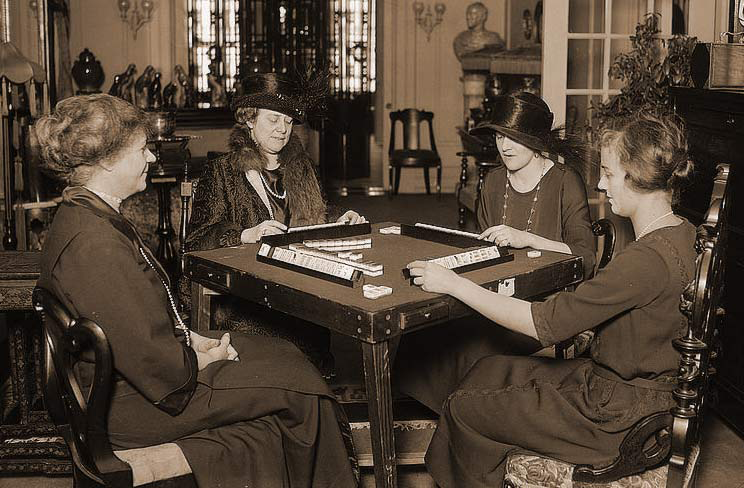 In the 1930s a group of Jewish women in New York wanted to standardize the rules (and the spelling.*) Among other things, they created a card with a number of detailed winning hands. If you’re playing “American Mah Jongg” today, you’ll need to purchase one of these cards from the National Mah Jongg League. The winning hands change every year, so they’ve got you hooked for $15 annually.
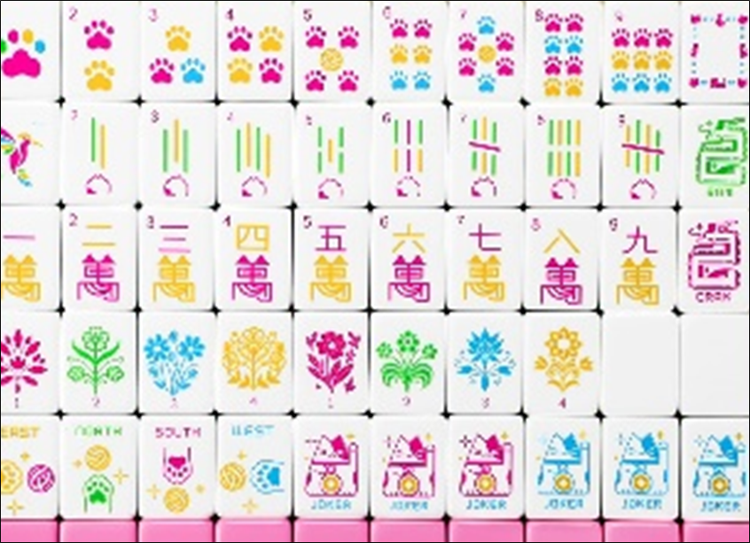
A mahjong tile set can be a hefty investment with nice sets running into hundreds of dollars. Serious addicts may even invest in specialty sets with traditional images altered to show nature, pets, hobbies, or holidays.
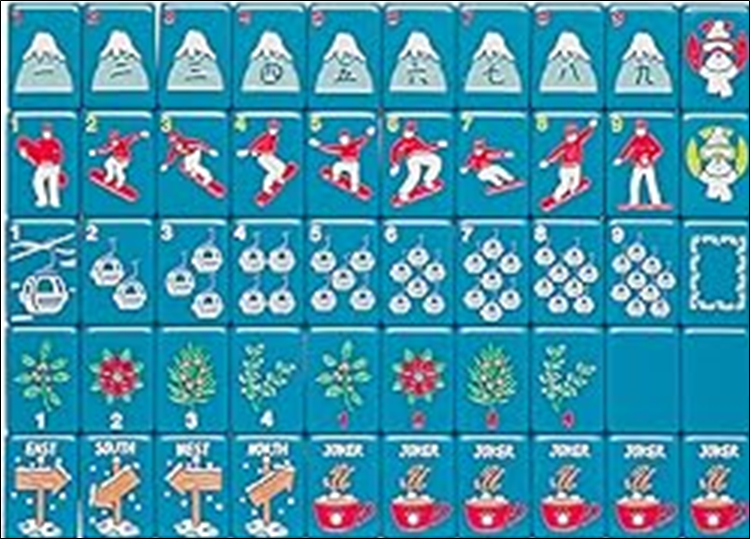
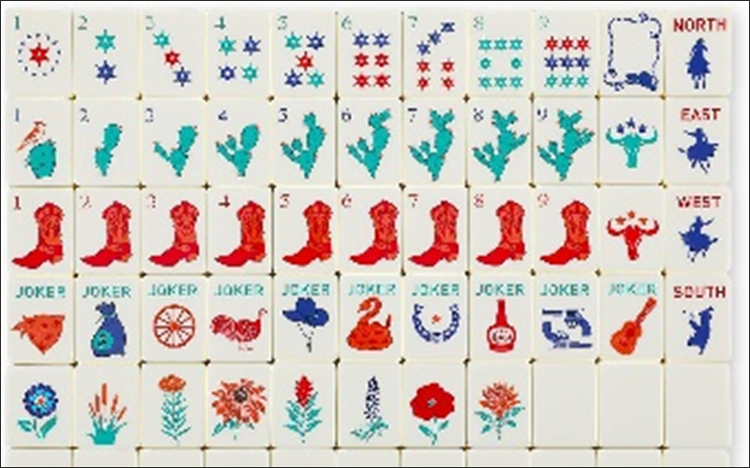
As stated previously, there are many, many forms of mahjongg, most of them complicated and all with devoted enthusiasts. For our purposes, let’s make this as simple as possible.
Place all the tiles face down and give them a good mixing.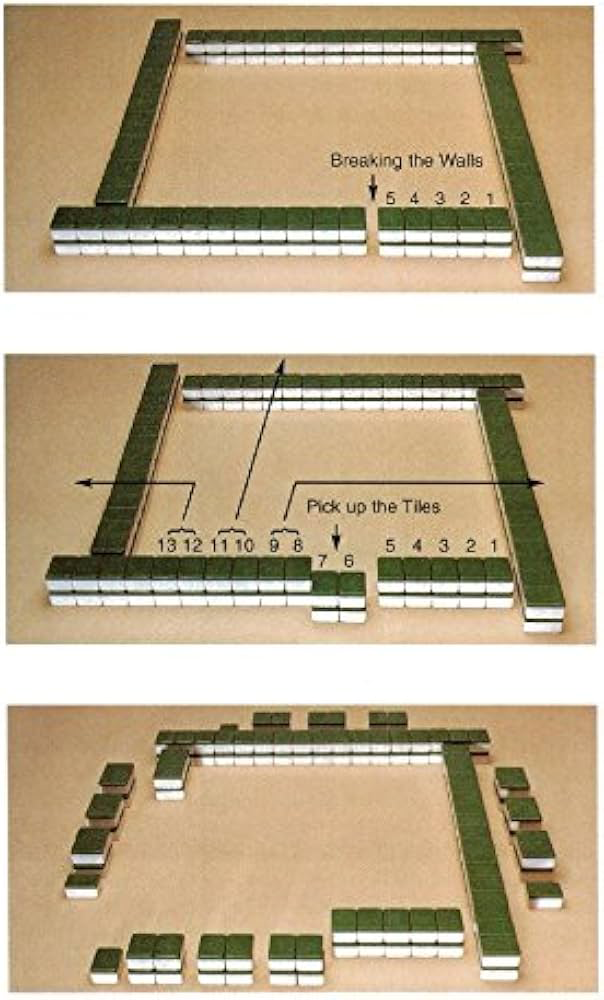
1. Build 4 walls 18 tiles long by 2 tiles high.
2. Roll dice. Highest player starts. This player rolls again and breaks the wall at that number counting from the right. They take a 2×2 section out of the wall. Going counterclockwise, the next player takes the next four, etc. till all players have twelve tiles. The beginning player now takes the next 1st and 3rd from the top of the wall, and other players take the next one. The beginning player now has 14 tiles and others have 13.
3. Players organize their tiles and plot.
4. Beginning player discards a tile.
5. Going counterclockwise the next player takes a tile from the wall and discards a tile unless a call is made.
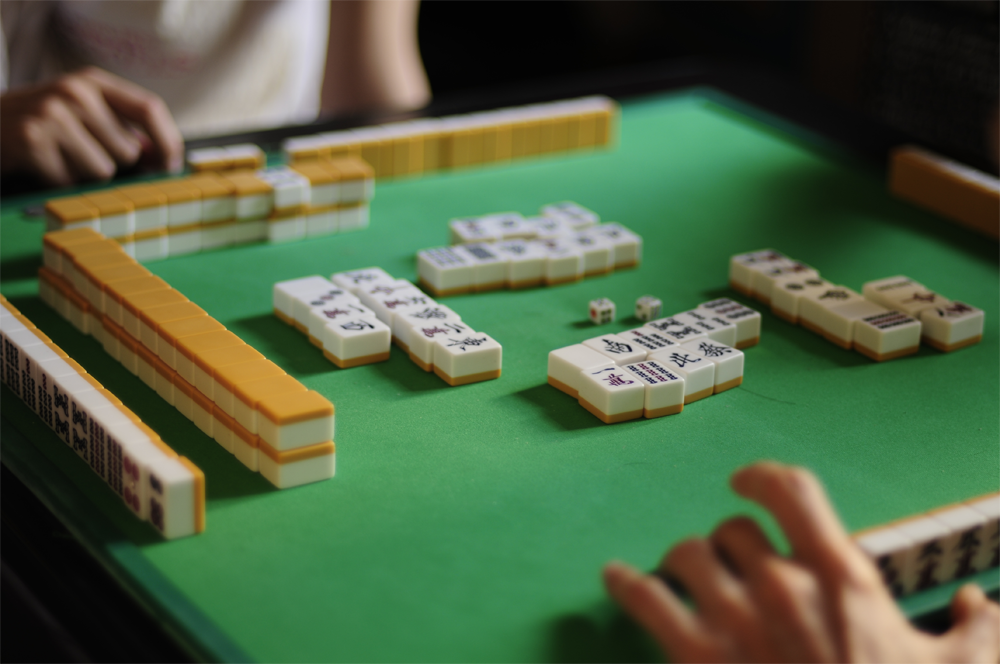
CALL – Any player may pick up the last discarded tile (but no others) If they do so it must complete a set which they will have to lay down or “expose.” Play then continues as before. If more than one person calls the tile, a player completing mahjong gets priority.
This continues until a player calls mahjongg.
MAHJONG – Mahjong is attained when a player has an identical pair of 2 and all other tiles are in groups of three or more, either identical tiles or a run in the same suit.
Perhaps the most difficult part of mahjong for a beginner is understanding the Chinese characters on the tiles and knowing what goes with what. Some modern sets will have numbers or letters accompanying the symbols which help westerners make sense of it all. If you’re playing with a set without these, you might want to keep this chart handy.
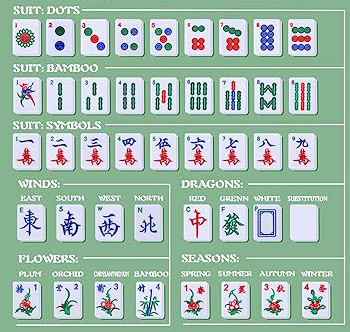
*The most common spelling worldwide is mahjong, but there are many variations with capitalization, number of ending “G”s and whether it is one word, two words, or hyphenated.
Crossword Puzzle
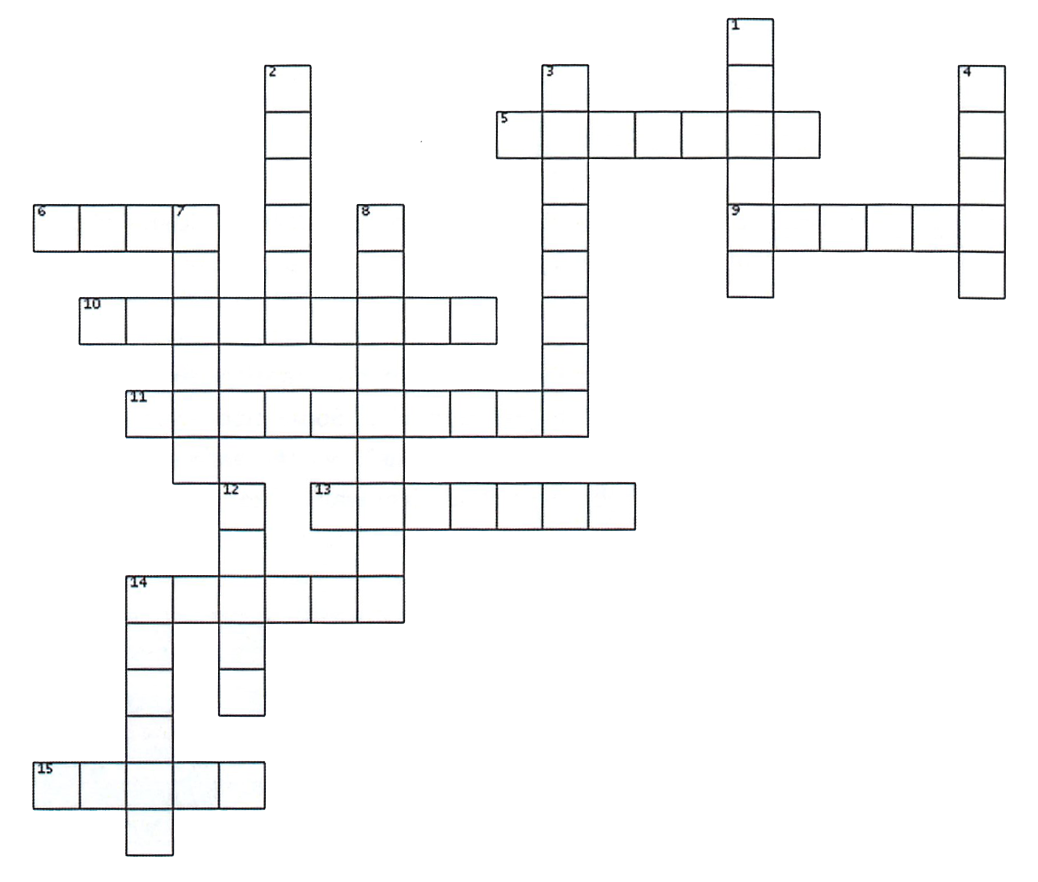
ACROSS
5. An important ending game in “Crazy Rich Asians”
6. On telephone or finger
9. A knife by any other name kills as dead
10. The continent Alexander cannot visit on a terrible, horrible, very bad day
11. A substitute for shorthand
13. Doesn’t involve a burglar
14. Sting’s former band
15. Needed for hiking
DOWN
1. Northern neighbor
2. The servant in charge
3. “Sweet ——“
4. Has great adventures with Ulysses
7. According to Cecily von Ziegesar, it’s what girls do
8. An apparatus for long distance listening
12. Slang term for the act of vomiting OR Mr. Fiennes
14. From Socrates to Verdi’s Leonora, many choose this to make an exit
DISCUSSION QUESTIONS
- One of the pleasures of Christie’s fiction is the view one gets of England between the World Wars. How does Christie’s depiction of the period compare to others you have read? What were details that surprised or disturbed you?
- What do the novel’s lies and secrets say about the characters and their society?
- How do class distinctions influence interactions and choices?
- What do you think of the narrator’s voice? Do you trust him?
- In addition to the tension created by the central mystery, what other elements add to the narrative pull of the novel? Do they engage your interest and sympathy?
- What are the primary motivations driving the characters’ actions and how do they influence their behaviors?
- What are some of the details that Christie includes as red herrings? Do they mislead you?
- What methods of investigation does Poirot rely on? Compare and contrast those to the techniques featured in contemporary crime novels. Which style do you find more compelling and why?
- Some characters dismiss Poirot because he is a foreigner. Is there any literary purpose to having him be an outsider?
- How does Christie portray the police in the novel?
- The murderer is not a stereotypical villain. What does that say about the nature of murderers through this characterization?
- What do you consider some of the hallmarks of the mystery genre? How does the novel play with or subvert those conventions?
- Does Christie adhere to the “fair play” rules expected in mystery novels? Does she provide enough clues for the reader to potentially solve the mystery?
- Despite the dark subject matter (murder, blackmail, etc.), the novel has a relatively light tone. How does Christie achieve this, and what purpose does it serve? Were there moments in the book that struck you as funny or comical?
- Does the novel offer a satisfactory sense of justice, even if the legal system is bypassed?
- This book was originally published in 1926. Does it hold up for a modern reader, or does it seem dated?
- Christie is a seminal figure in crime literature. What contemporary mystery novelists do you feel are her most obvious heirs?
Download the Reader’s Guide
(PDF Download)
Regular Hours of Operation
- Monday: 9:00 am – 6:00 pm
- Tuesday - Wednesday: 9:00 am – 8:00 pm
- Thursday: 11:00 am - 8:00 pm
- Friday: 10:00 am - 6:00 pm
- Saturday: 10:00 am - 2:00 pm
- Sunday: CLOSED
Closures in 2026
- January 1 – New Year’s Day
- January 19 – Martin Luther King, Jr., Day
- February 16 – Presidents Day
- April 3 – Staff Development Day
- April 4 – Building Maintenance
- May 23-25 – Memorial Day
- June 19 – Juneteenth
- July 3-4 – Independence Day
- August 7-September 7 – Shelving Upgrade
- September 5-7 – Labor Day
- October 3 – Building Maintenance
- November 11 – Veterans Day
- November 25 – Closing at 5:00 pm
- November 26-28 – Thanksgiving
- December 24-26 – Christmas
- December 31 – New Year’s Eve
- January 1, 2027 – New Year’s Day
Address
73 North Center
Rexburg, Idaho 83440
We are located on Center Street, just north of Main Street, by the Historic Rexburg Tabernacle.
Contact Us
(208) 356-3461
24 Hour Phone Renewal: (208) 356-6658
askmadisonlibrary@madisonlib.org
Madison Library District
 73 North Center
Rexburg, ID 83440
A public library.